
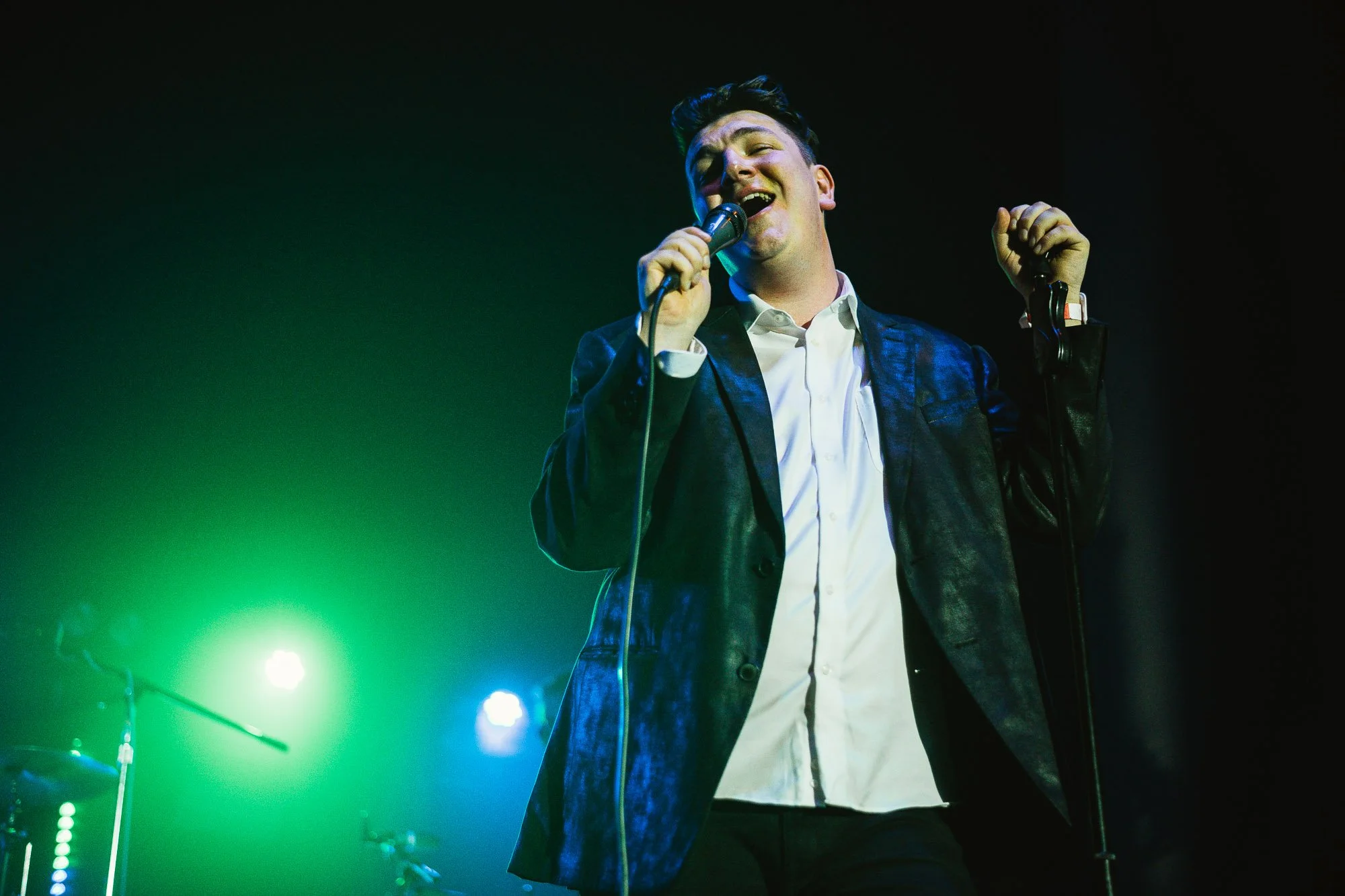
Showing Up Anyway: Russian Blue at The Roxy Theatre
I didn’t come into this night optimistic.
That feels worth stating plainly. Not as a bit or a dramatic flourish, just as an accurate description of where my head was at walking through the door. The start of 2026 hasn’t felt especially generous. The world remains loud in all the wrong ways, my tolerance for friction has been low, my back hurts, and I’ve noticed myself getting frustrated faster and recovering slower than I’d like.
So naturally, I went to a show…five bands I’d never seen live, in a venue I’d never been to, in a city an hour’s drive away.
Arriving at the venue complicated my sour mood immediately. Set inside a beautiful movie theater built in 1941 in downtown Bremerton, The Roxy was unfamiliar but disarmingly welcoming. It’s the kind of room that makes you feel at home before you’ve fully oriented yourself. It was also my first time experiencing a live show with the faint aroma of popcorn lingering in the background, which shouldn’t work but somehow did. I was on board almost instantly.
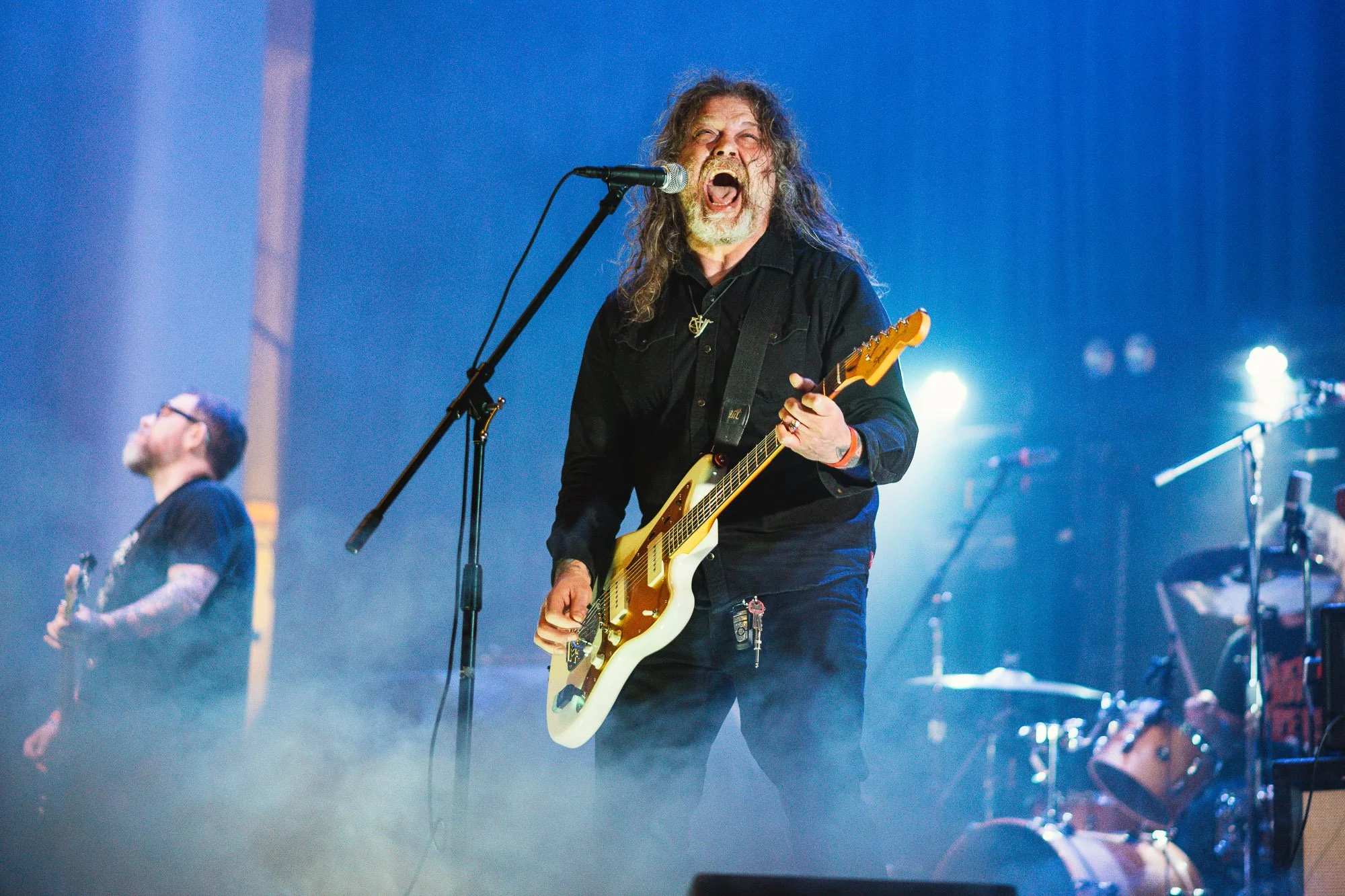
Still, on paper, the night had plenty of opportunities to go sideways. Five bands I’d never photographed, a venue I didn’t yet know how to move through, and no familiar reference points to lean on. Normally, that’s the kind of setup that invites irritation, causing missed shots, awkward angles, and quirks you don’t clock until it’s too late. The part of my brain that likes predictability wasn’t thrilled, even if that same unfamiliarity was ultimately the main draw of the evening. My daily routine has stopped feeling stabilizing and started feeling deadening, and I wanted something that resisted habit.
The night opened with Constance Tomb and male//gaze, and while both sets were phenomenal, the crowd remained seated. That hesitation wasn’t a reflection of the performances so much as the room itself. It was a seated theater, and during those first two bands no one seemed quite sure how to occupy it. I found myself planted in a chair as well (not entirely unpleasant, just outside my usual plan of attack) half-listening, half-evaluating, trying to circumscribe the evening before it had fully taken shape.
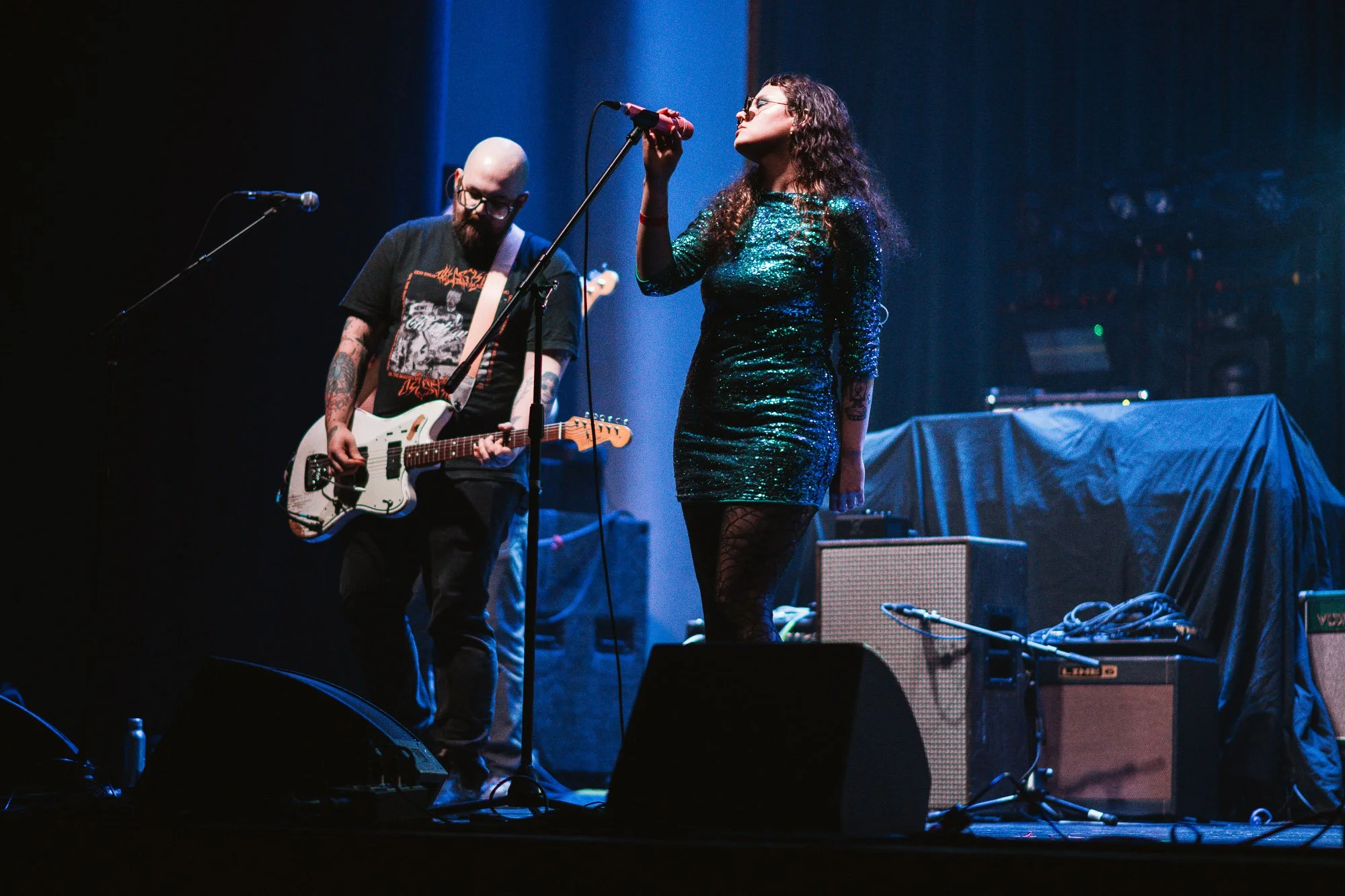
The seating brought a familiar anxiety along with it. As someone over six feet tall, I’m always acutely aware of how much space I take up in a room. At a seated show, standing up doesn’t just change my experience, it changes everyone else’s. The idea of blocking the view of people who had paid for front-row seats was genuinely mortifying, and I could feel myself bracing for a night defined by restraint rather than movement.
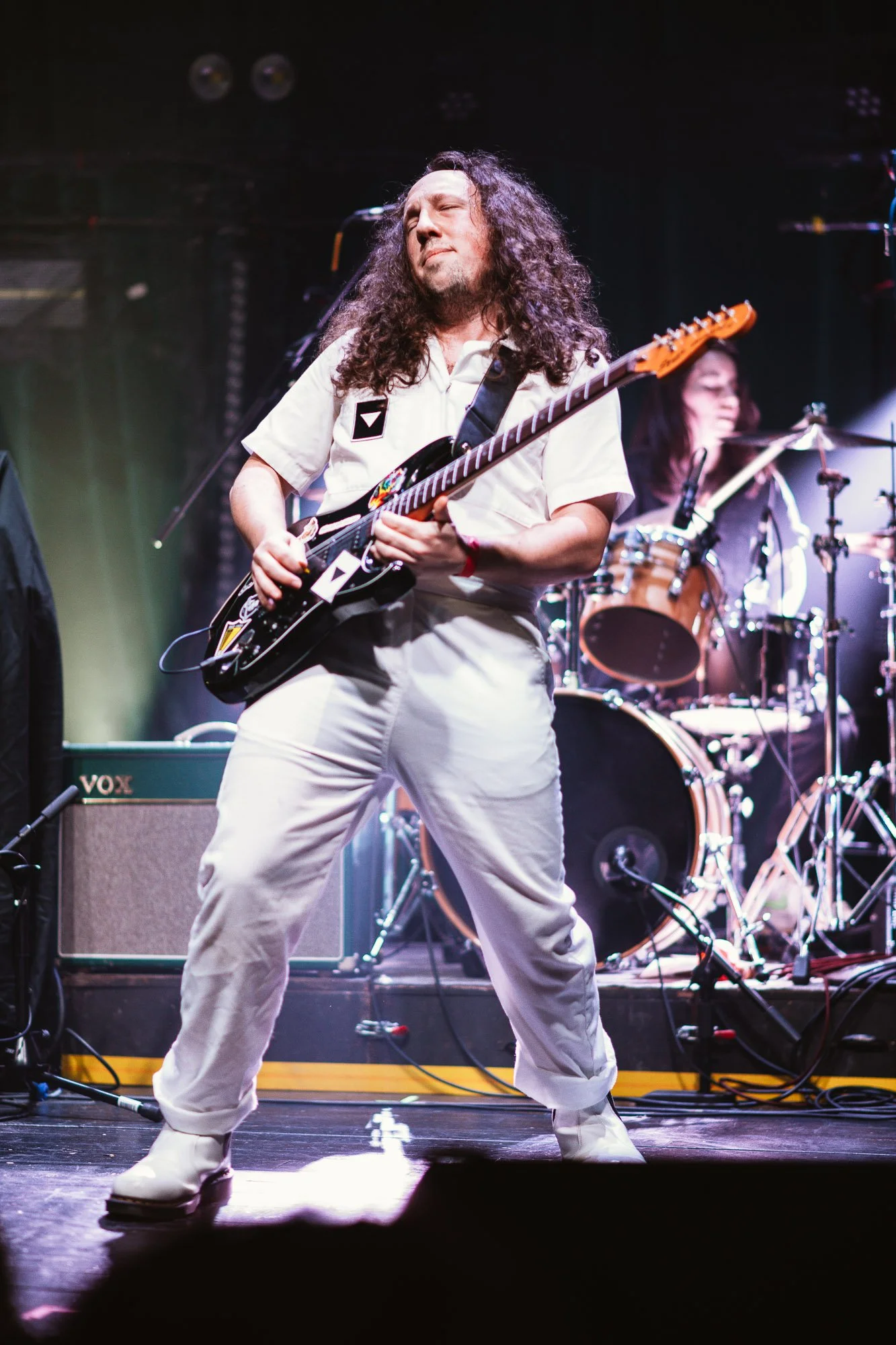
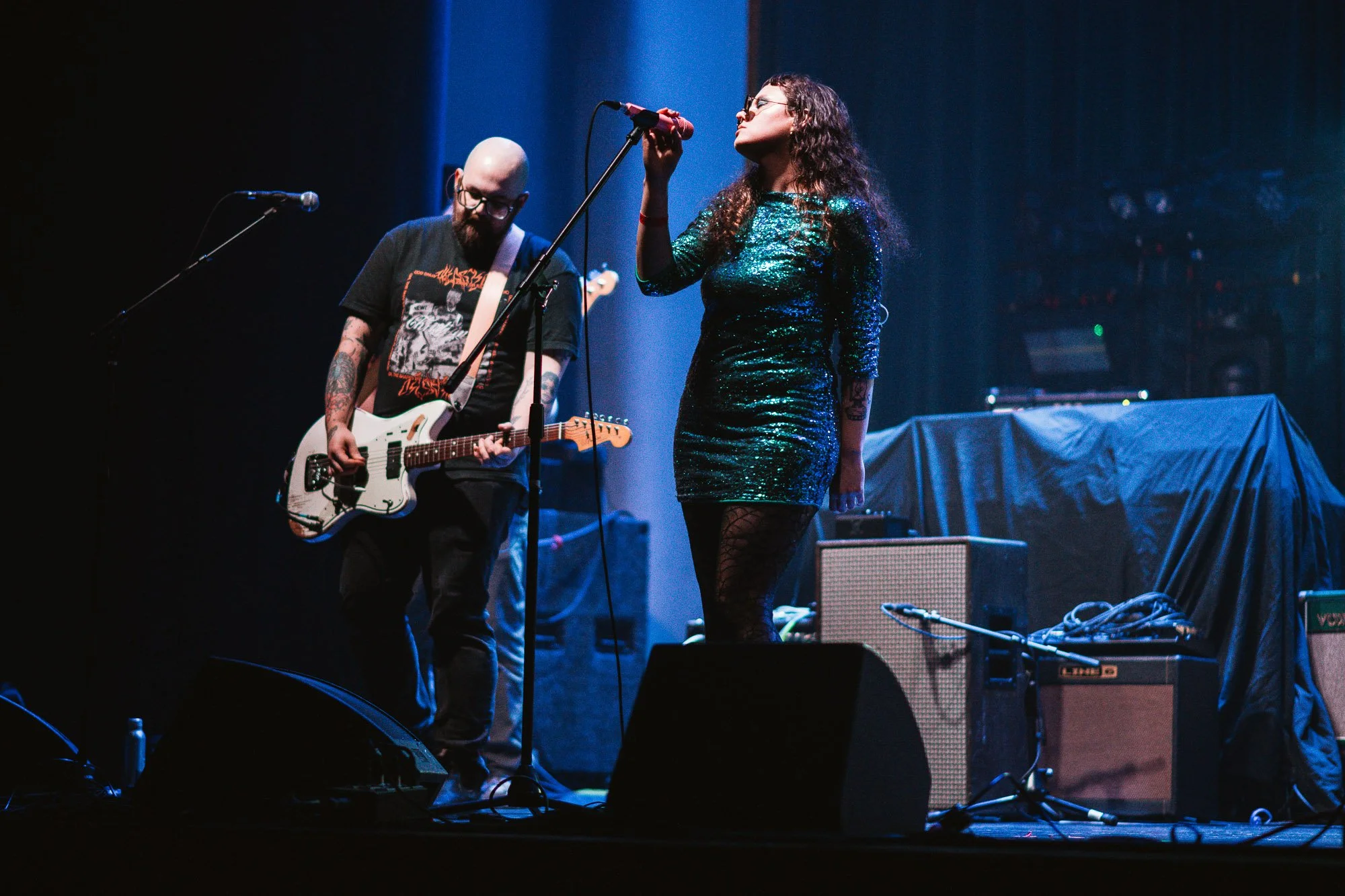
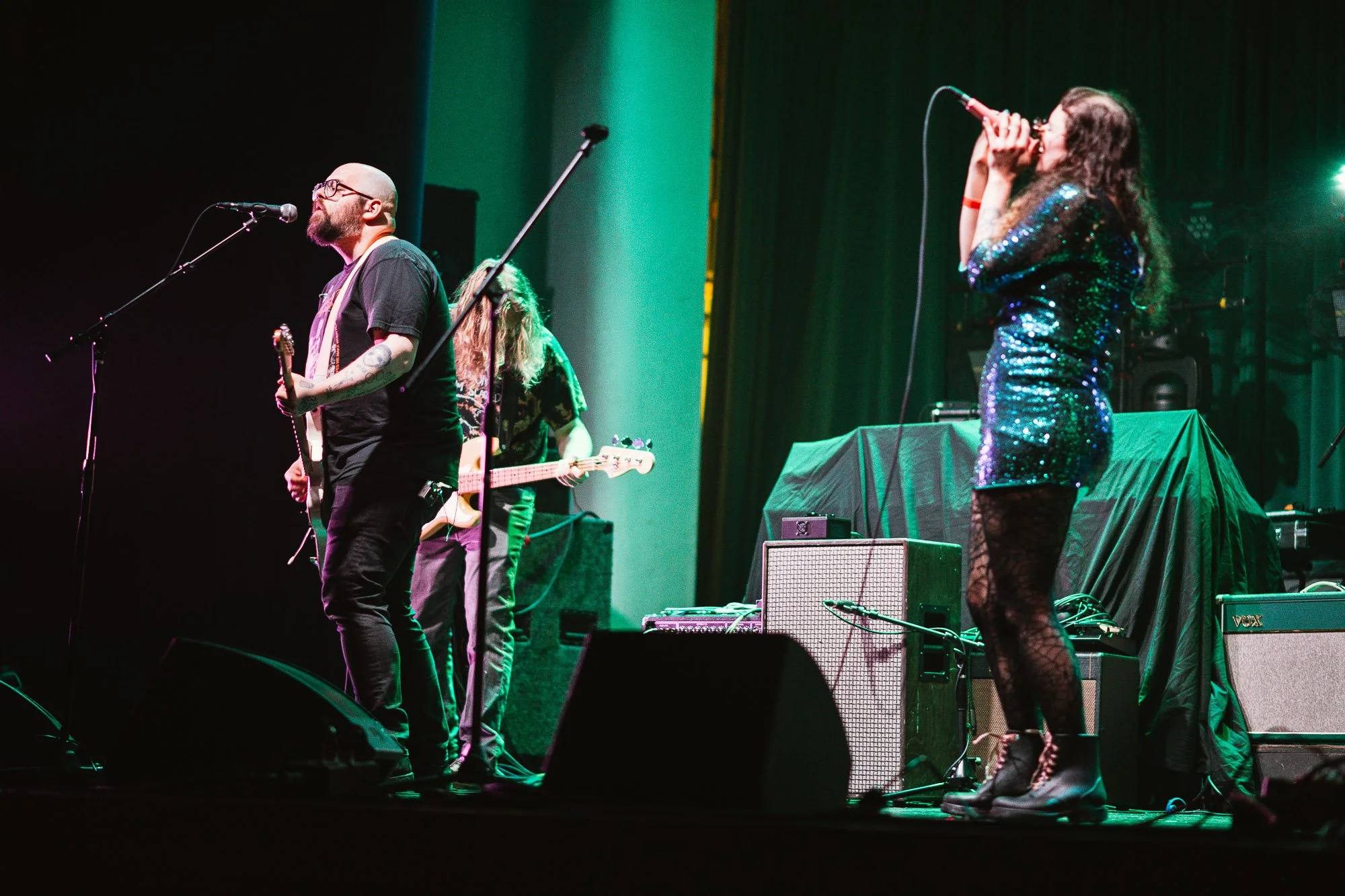
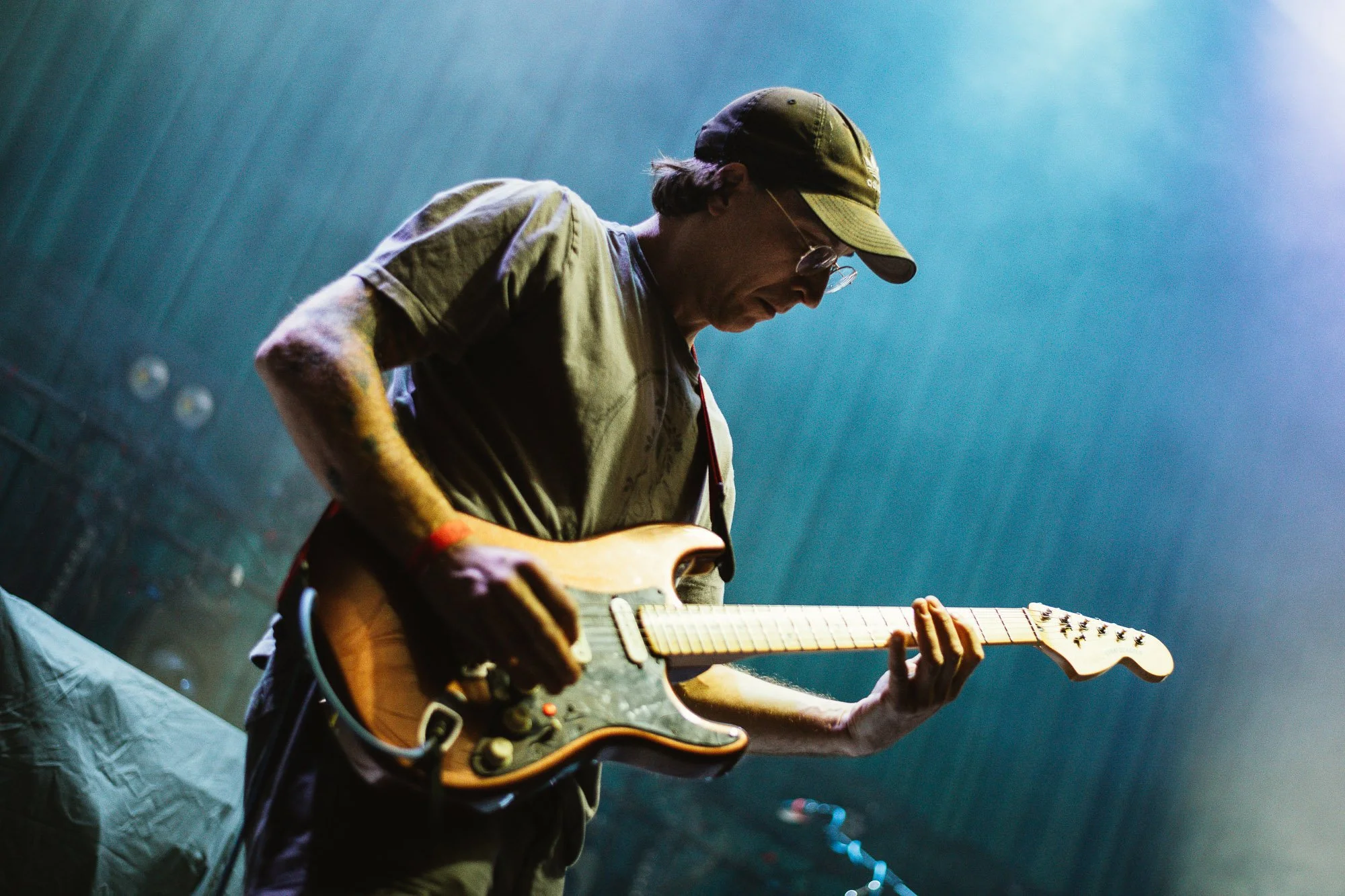
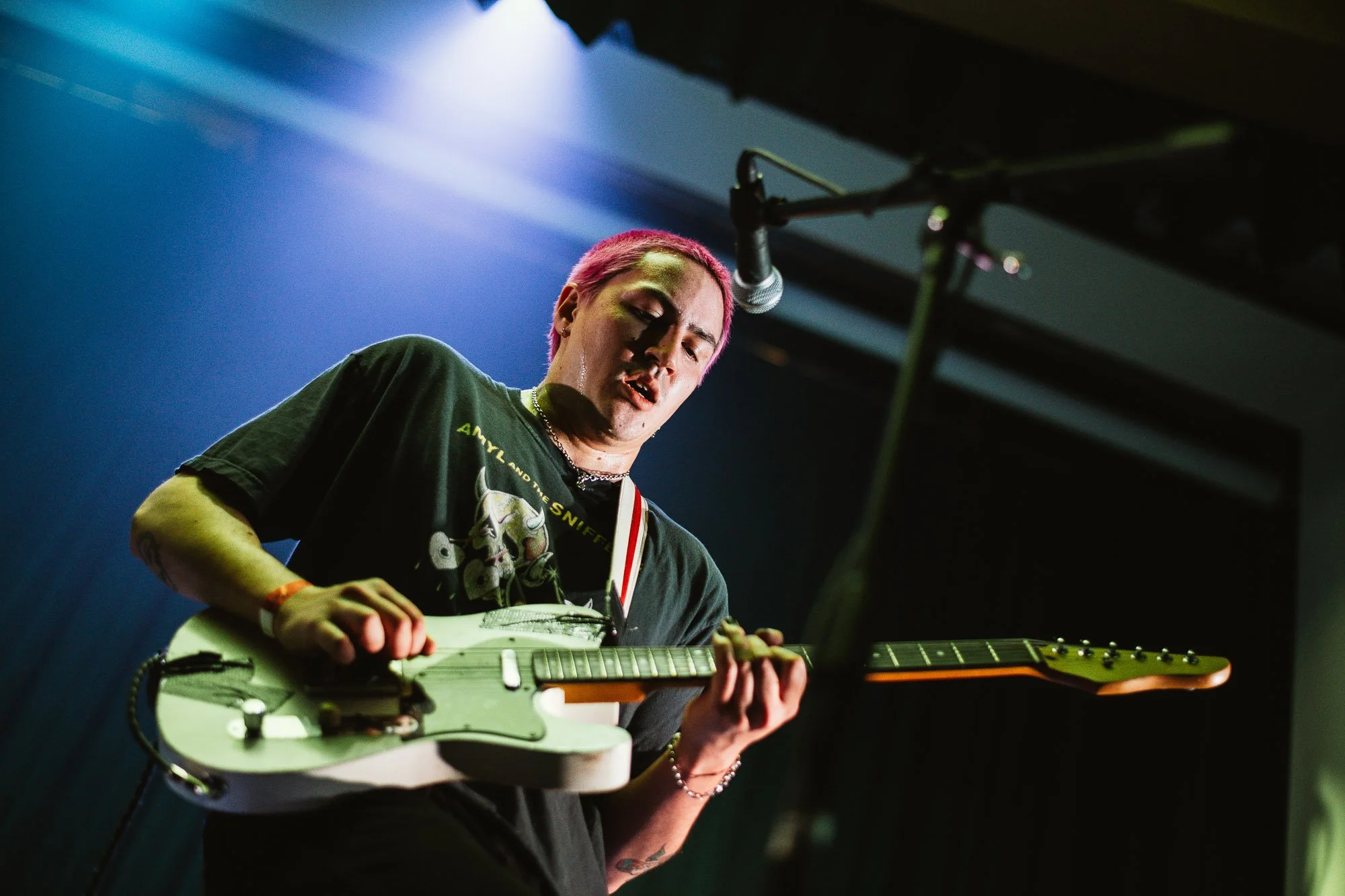
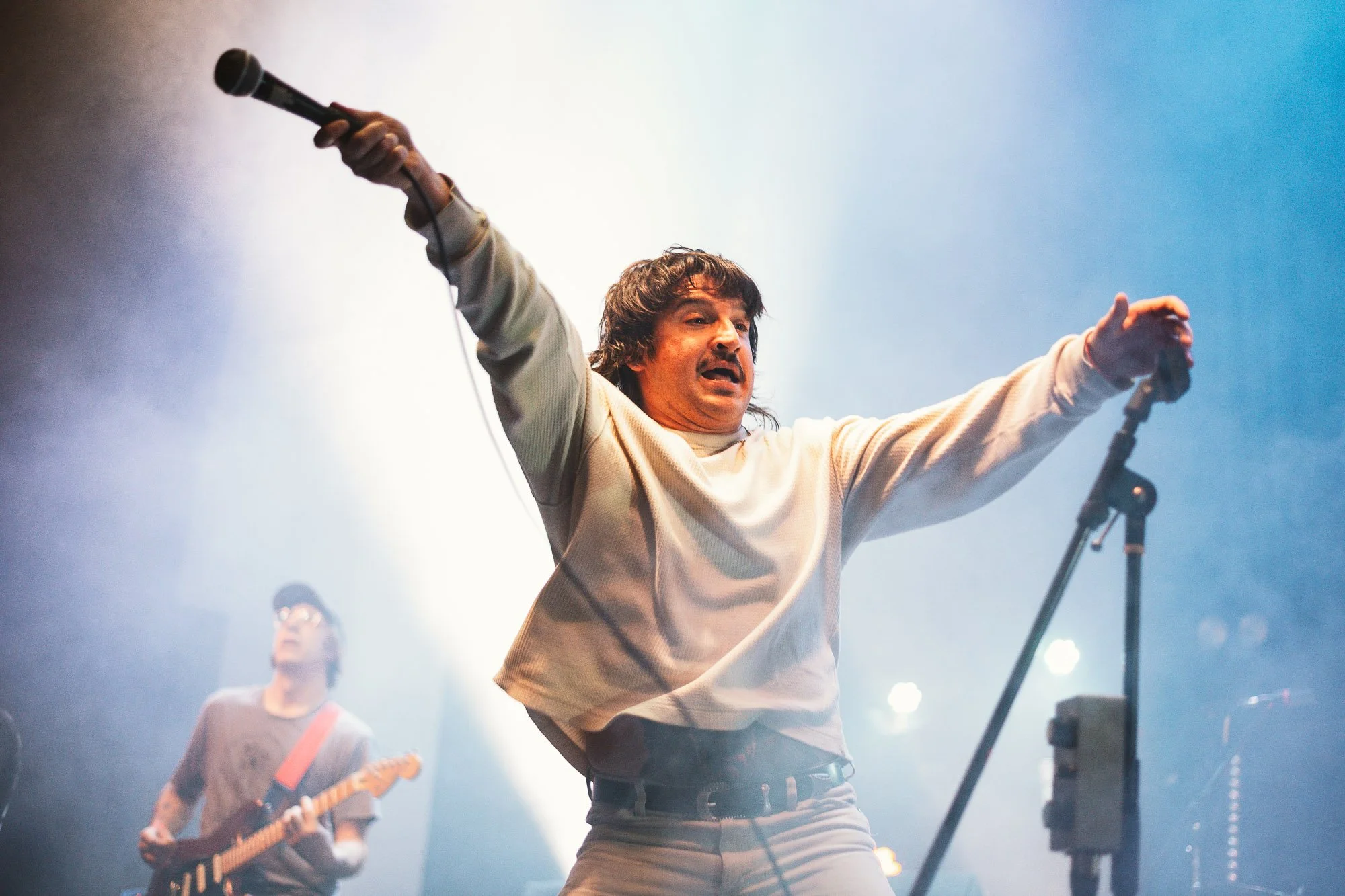
That tension finally broke when combobox took the stage and invited the crowd forward. The shift was immediate. People stood and bodies moved closer. Watching a room of strangers thaw in real time, all while being challenged with the question, have you ever killed a god? — now we’re talking. What had started feeling tentative became collective, and Buddy Wynkoop took that newly freed energy and ran with it, pushing the crowd into a kind of joyful chaos that felt earned rather than forced. They had a sense of control underneath all the mayhem, the kind that lets things get wild without ever coming apart.
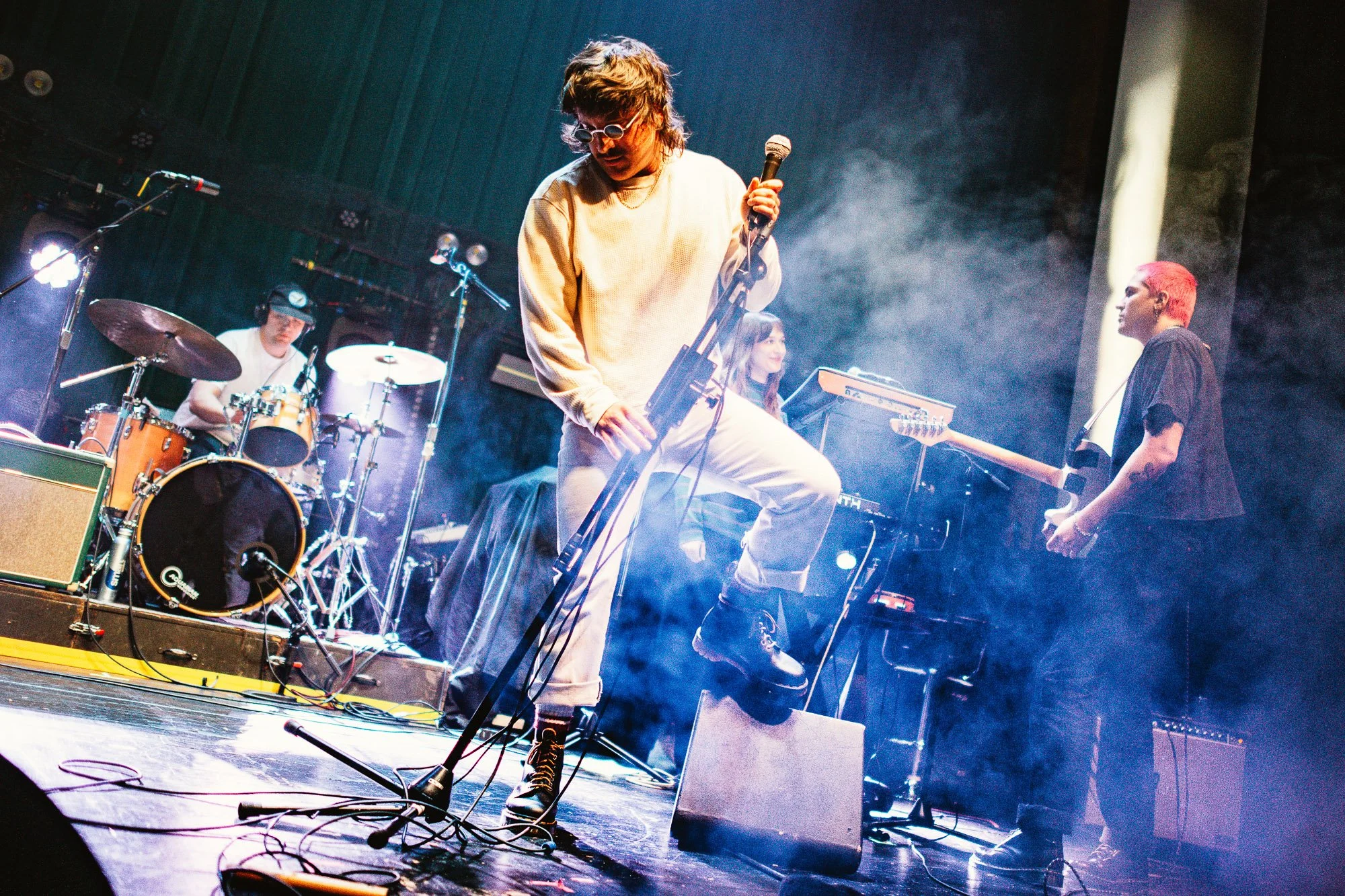
One of the more salient realizations of the night came on the heels of that shift: just how much effort my pessimism actually takes. You have to keep reinforcing it, keep narrating it to yourself. As the theater settled and the collective attention sharpened toward the stage, that narration started to loosen its grip. I noticed that I stopped scanning for problems and started reacting instead.
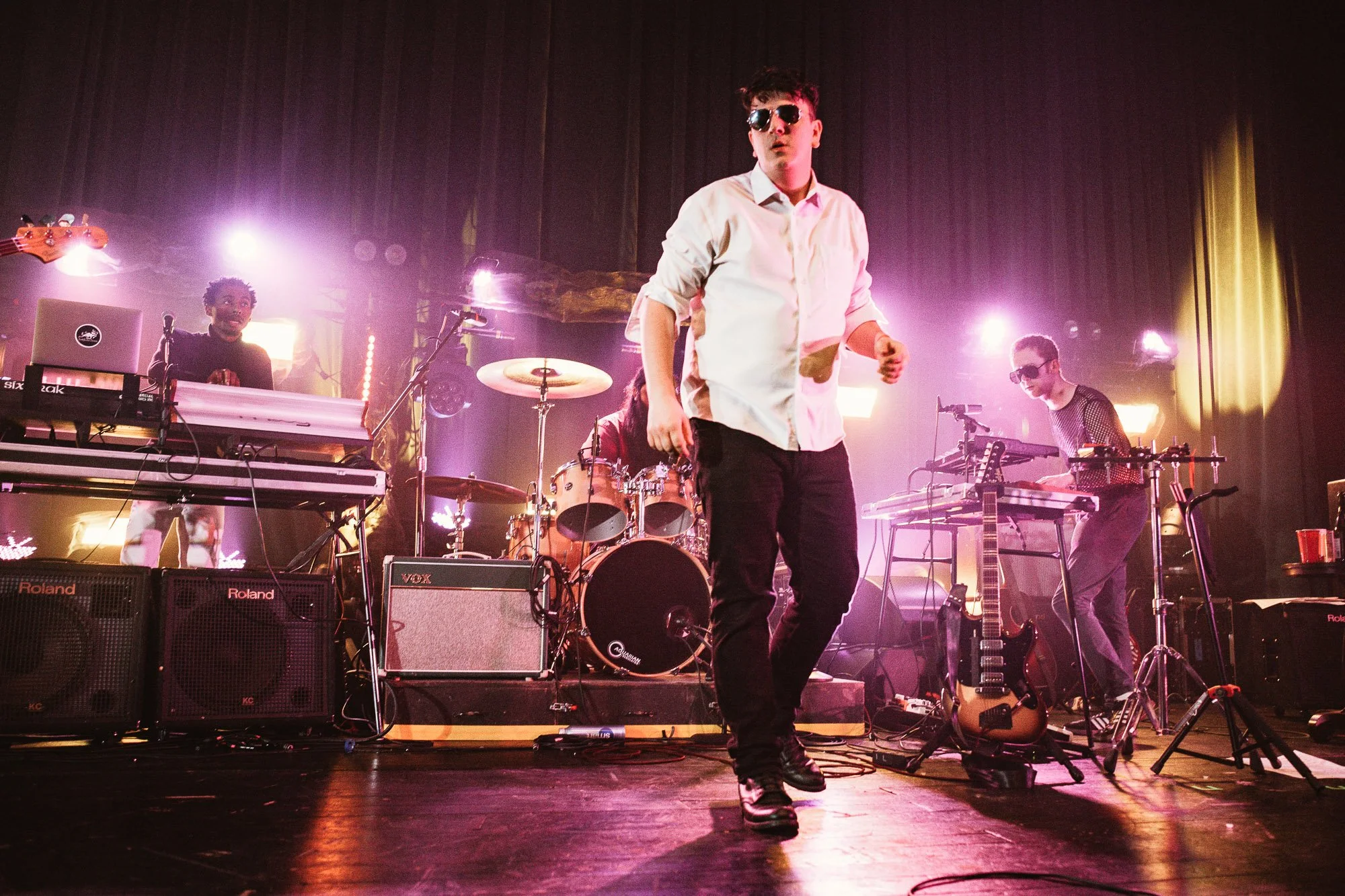
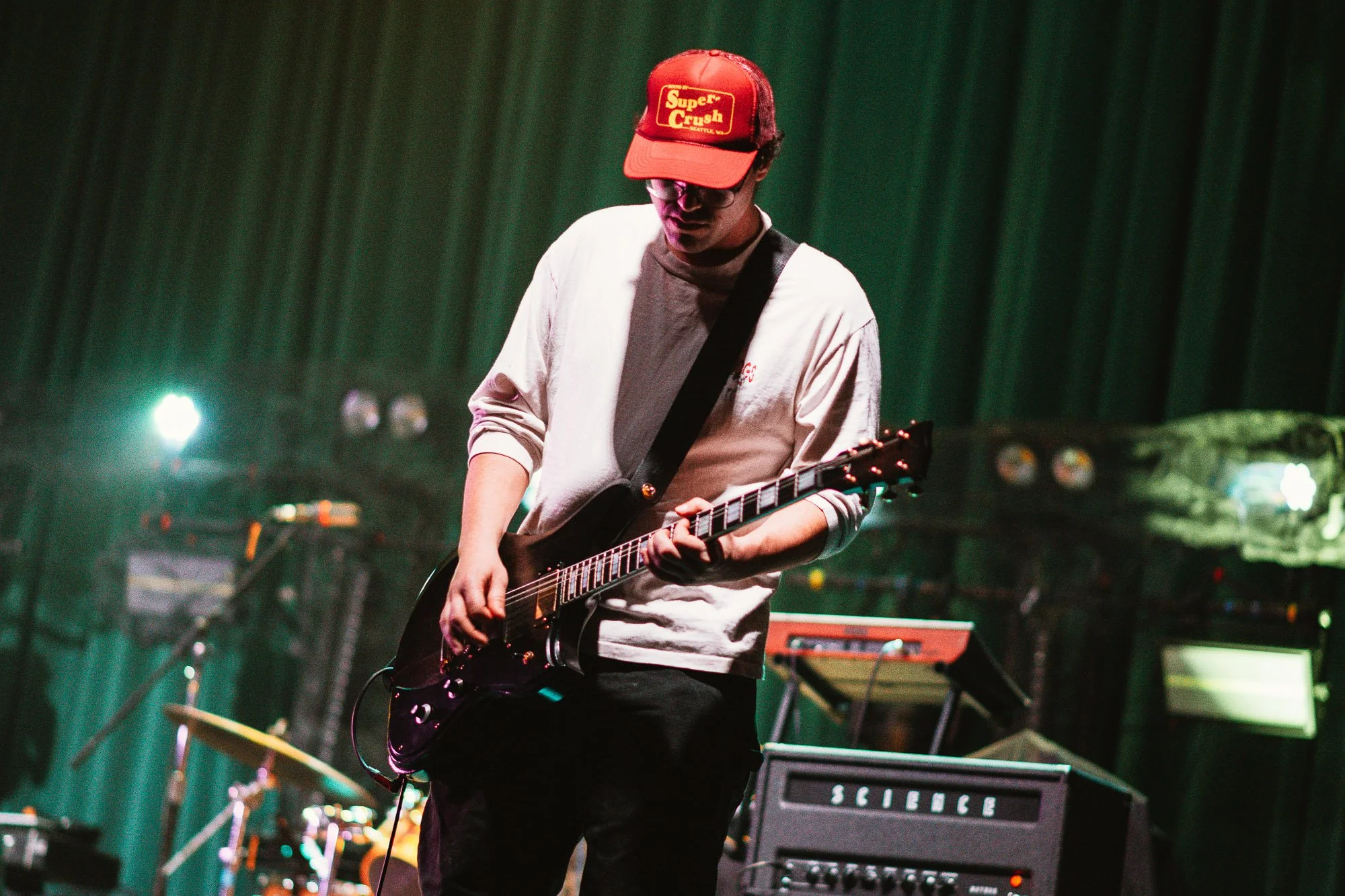
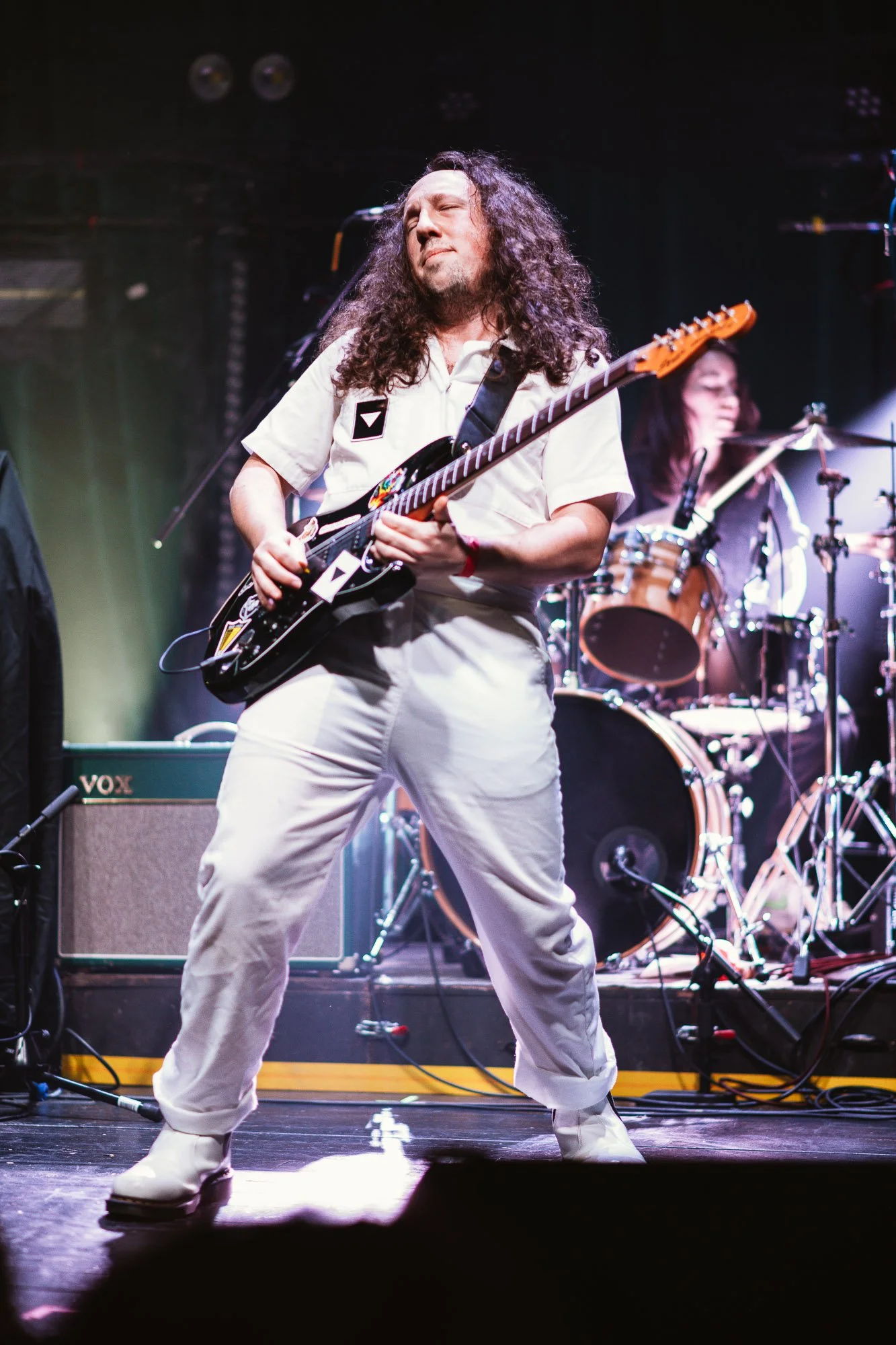
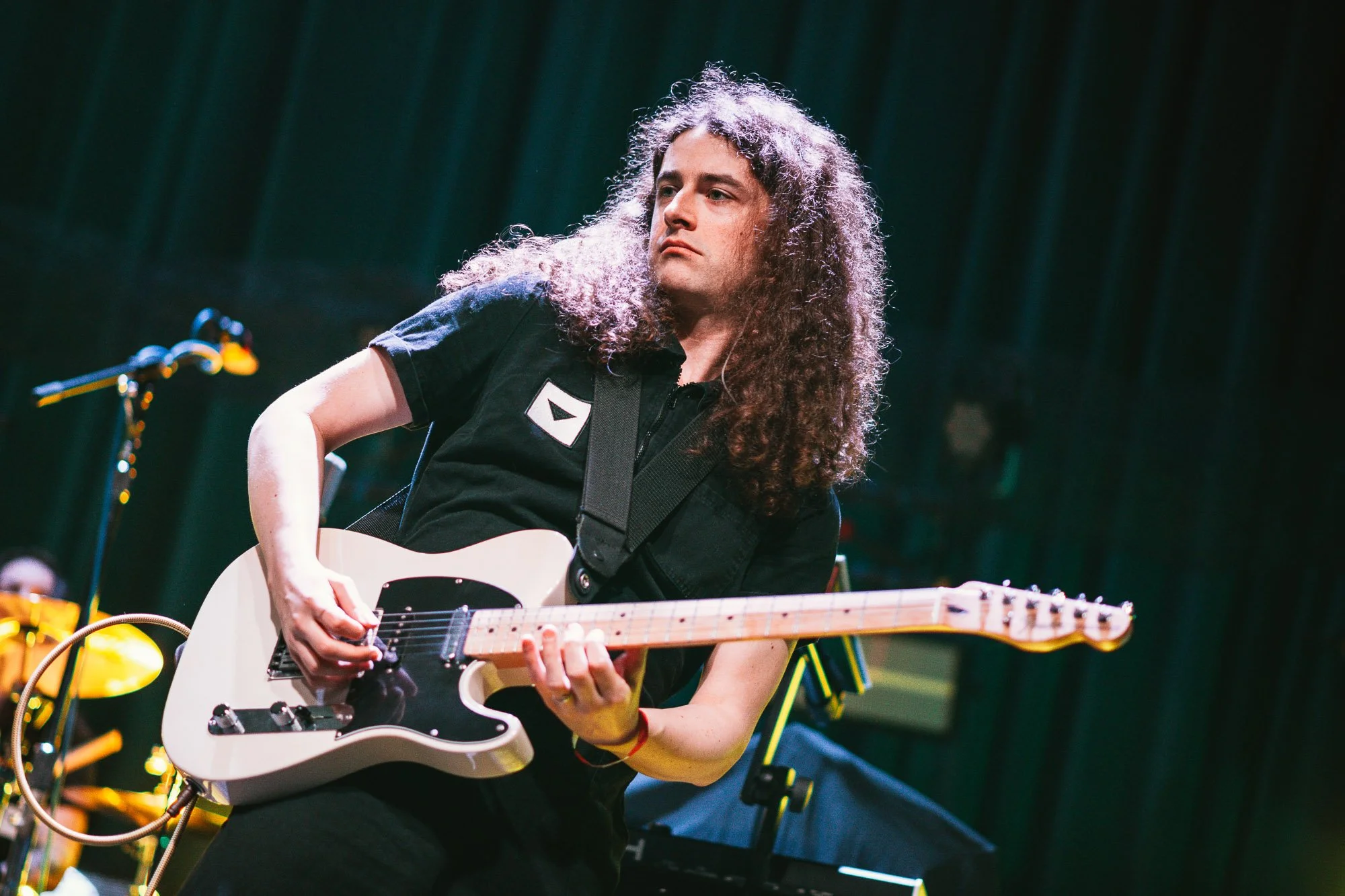
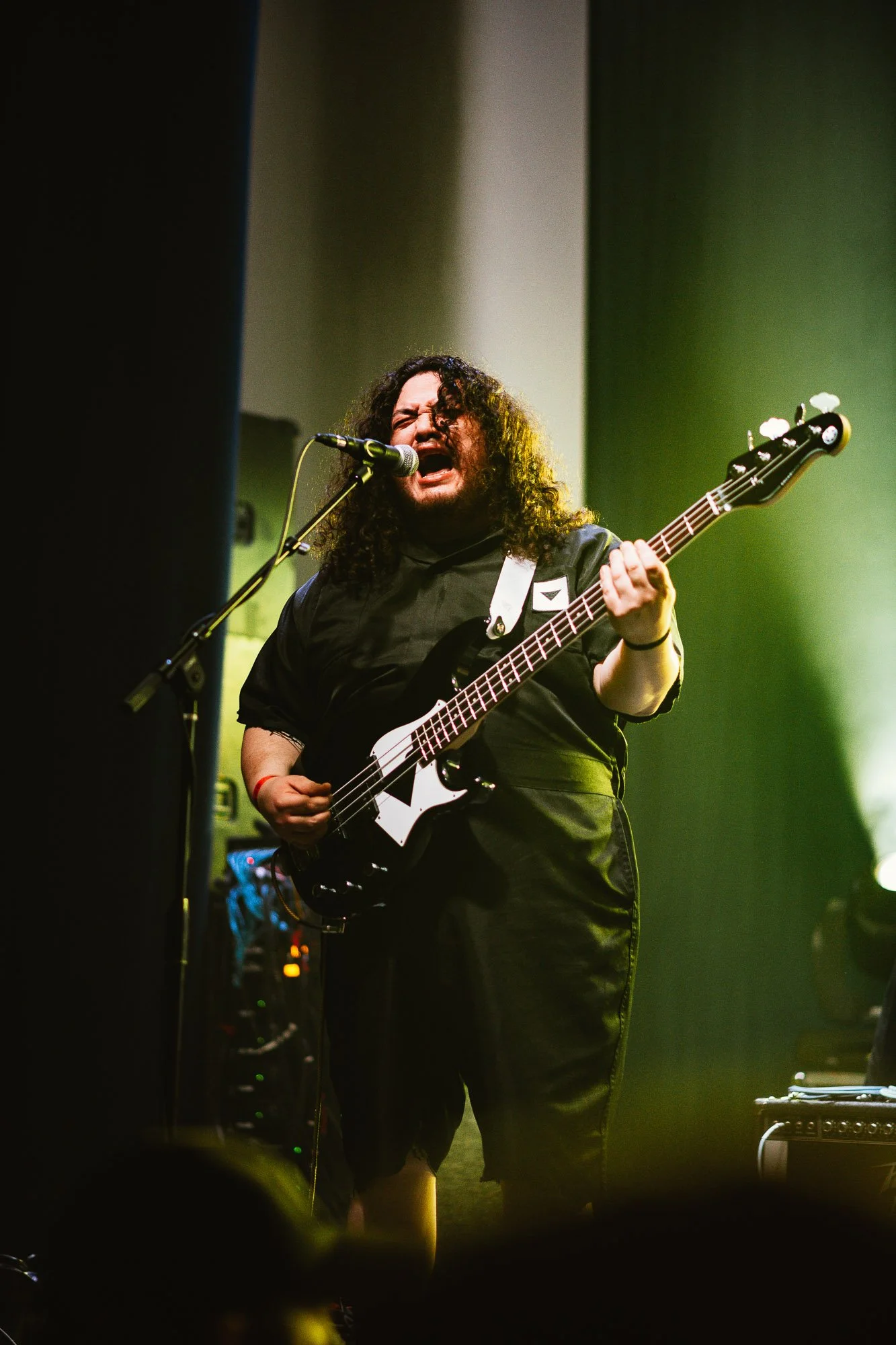
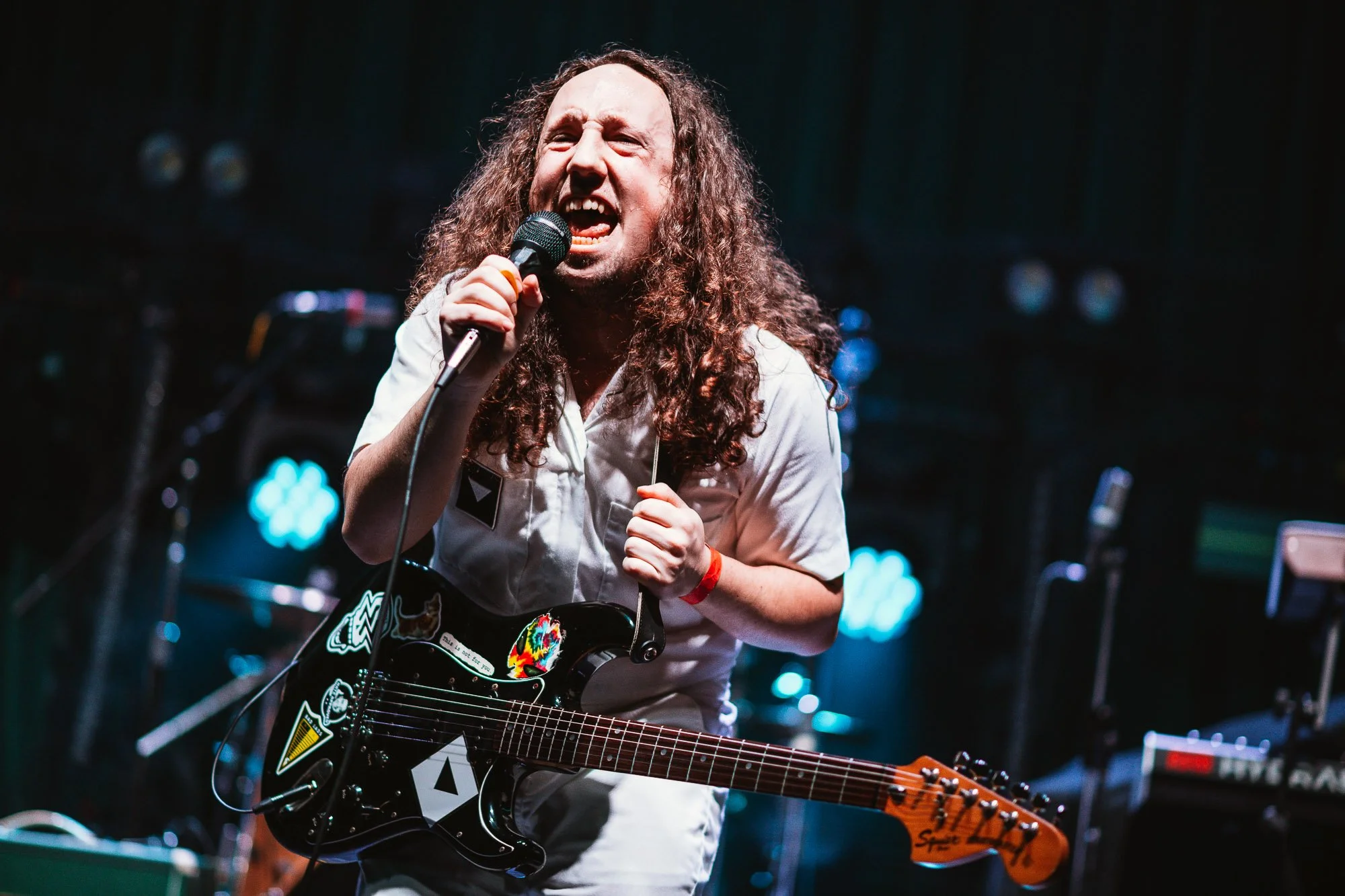
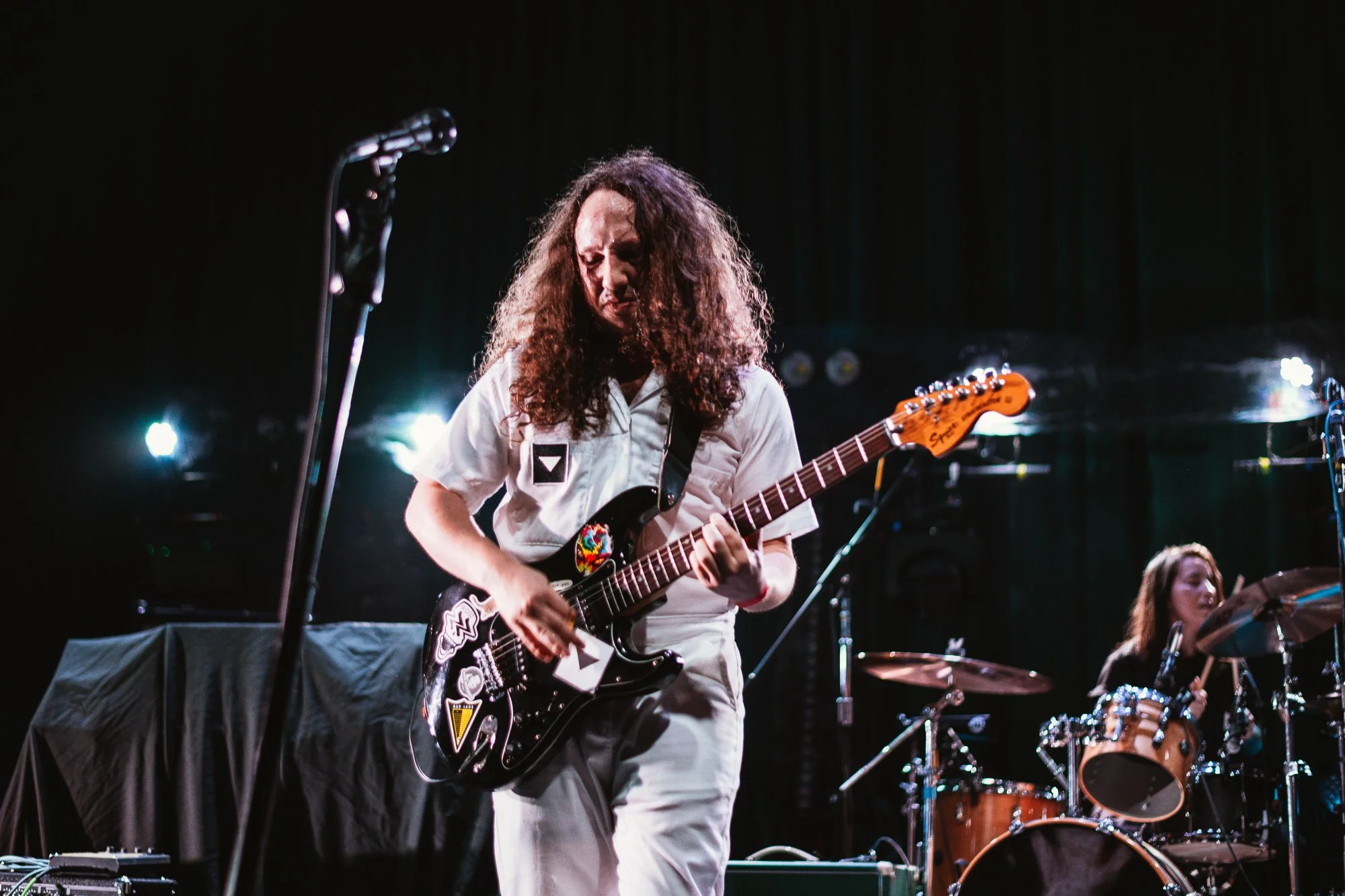
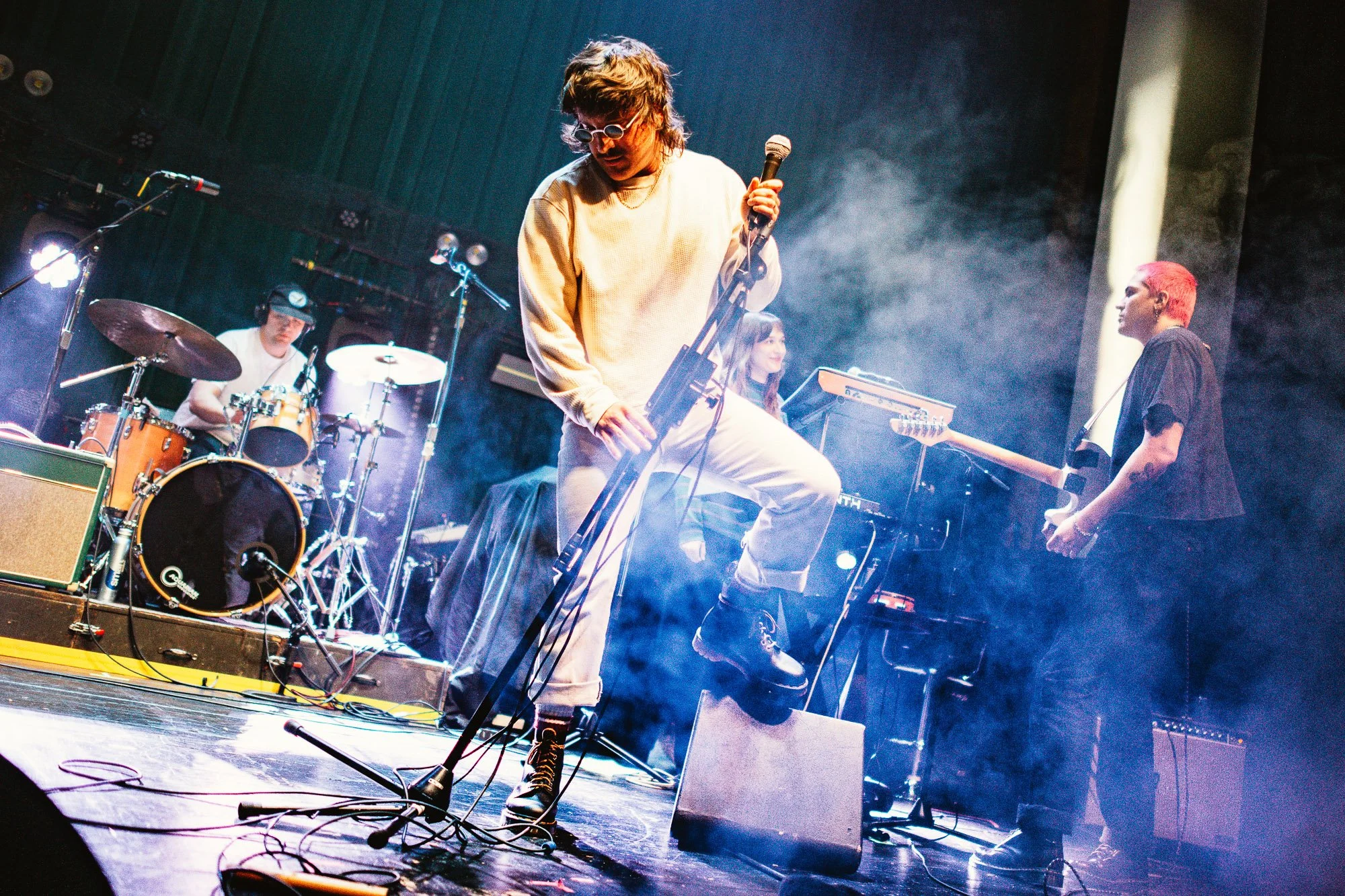
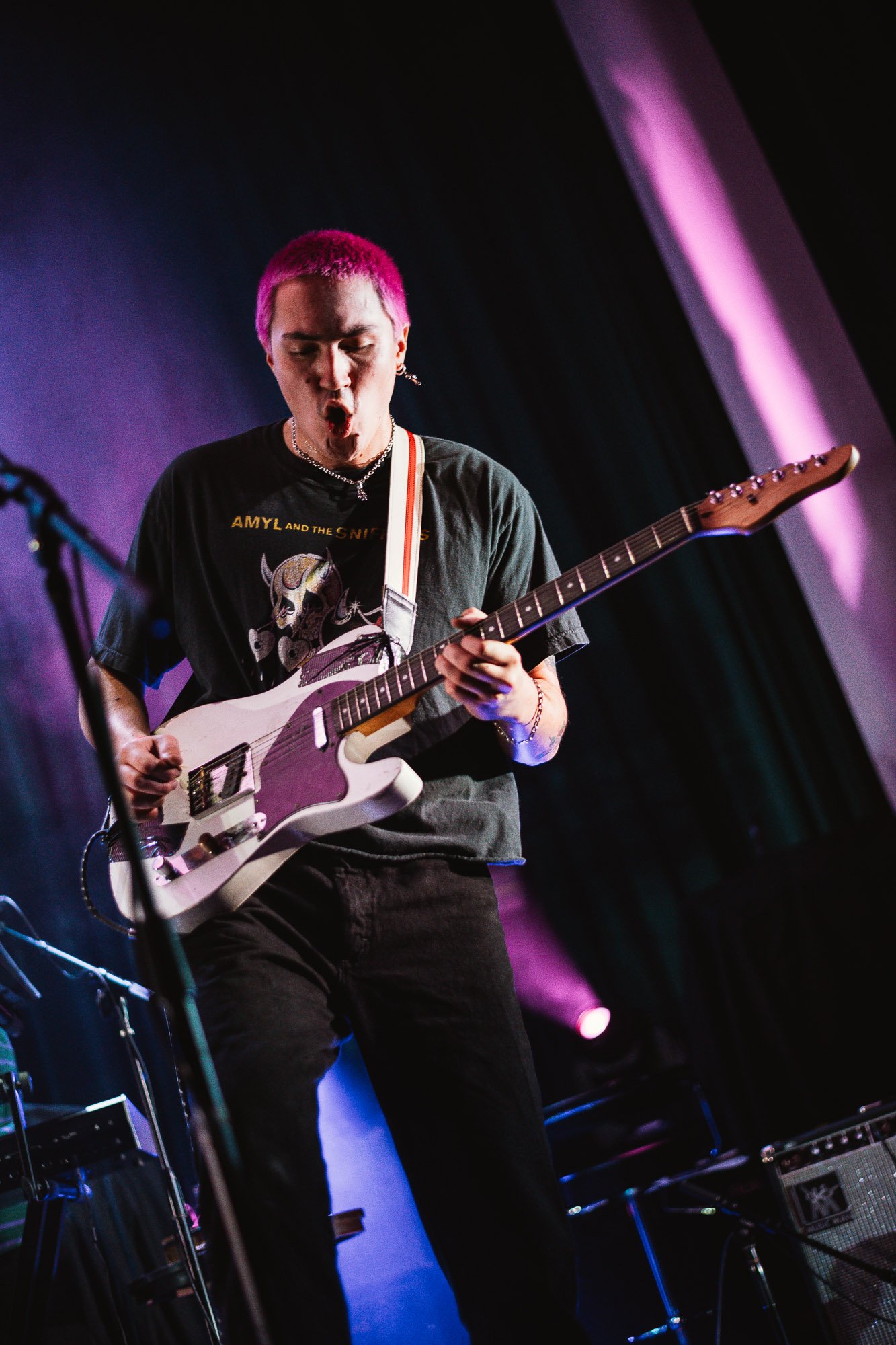
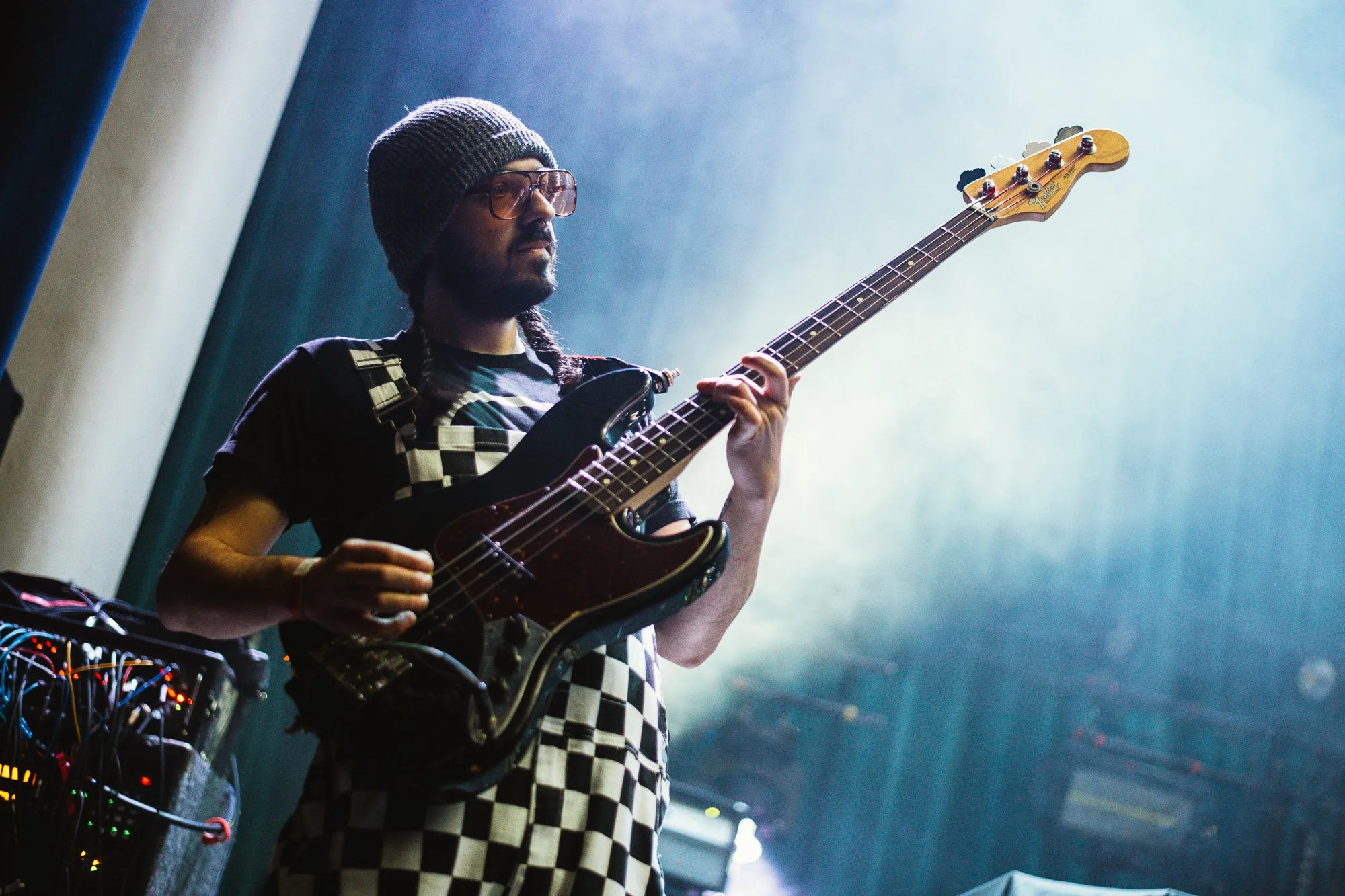
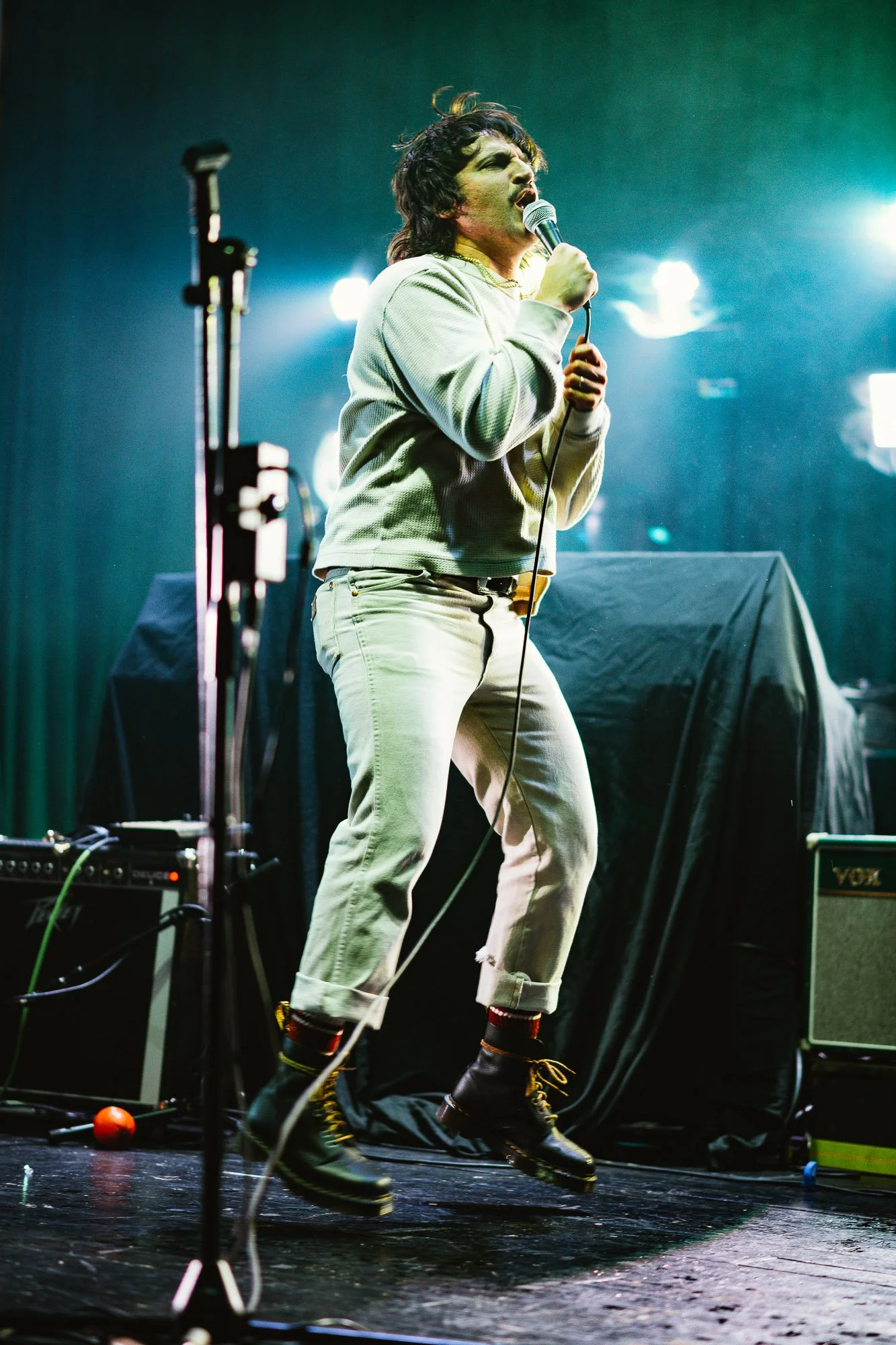
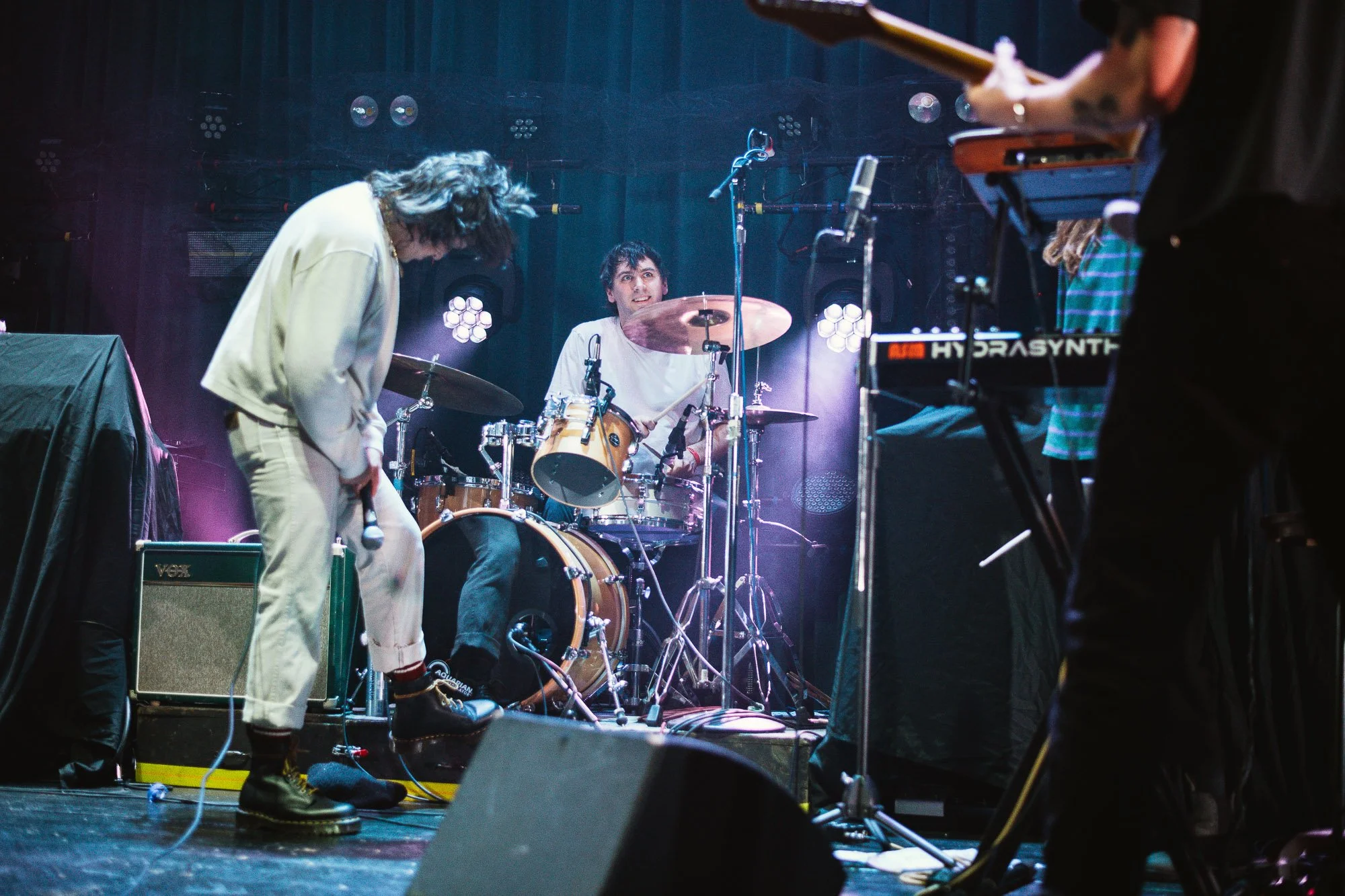
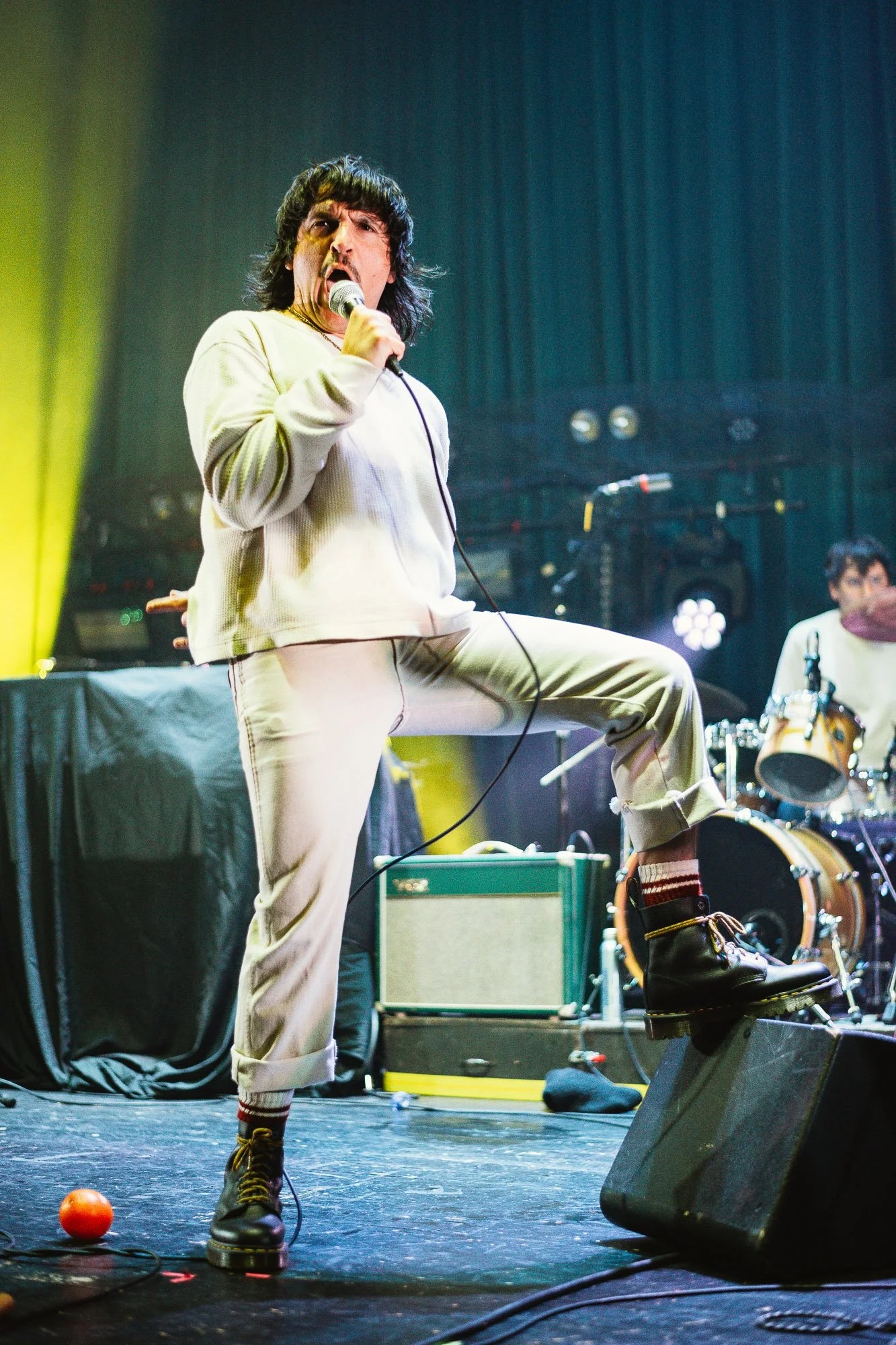
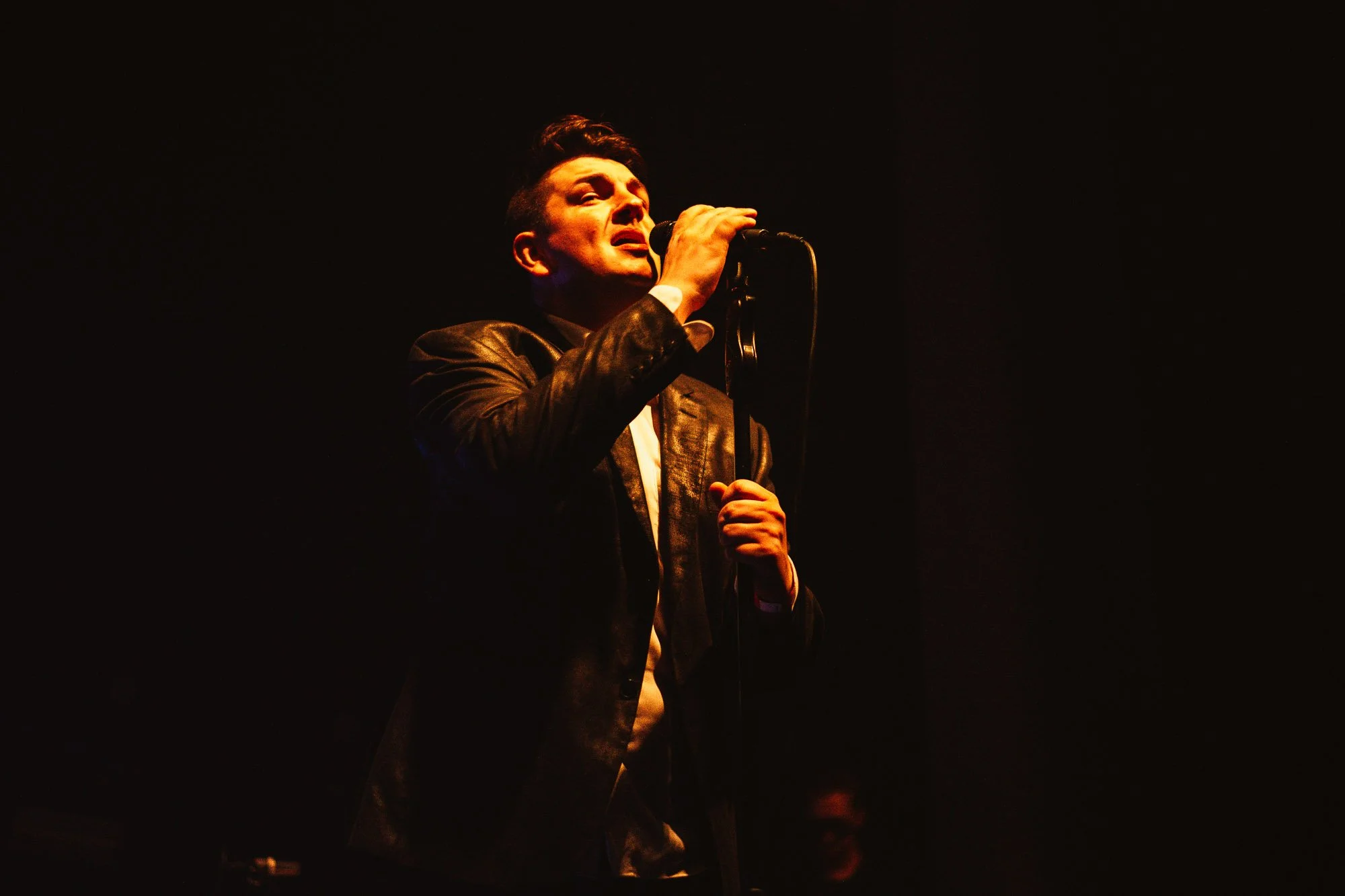
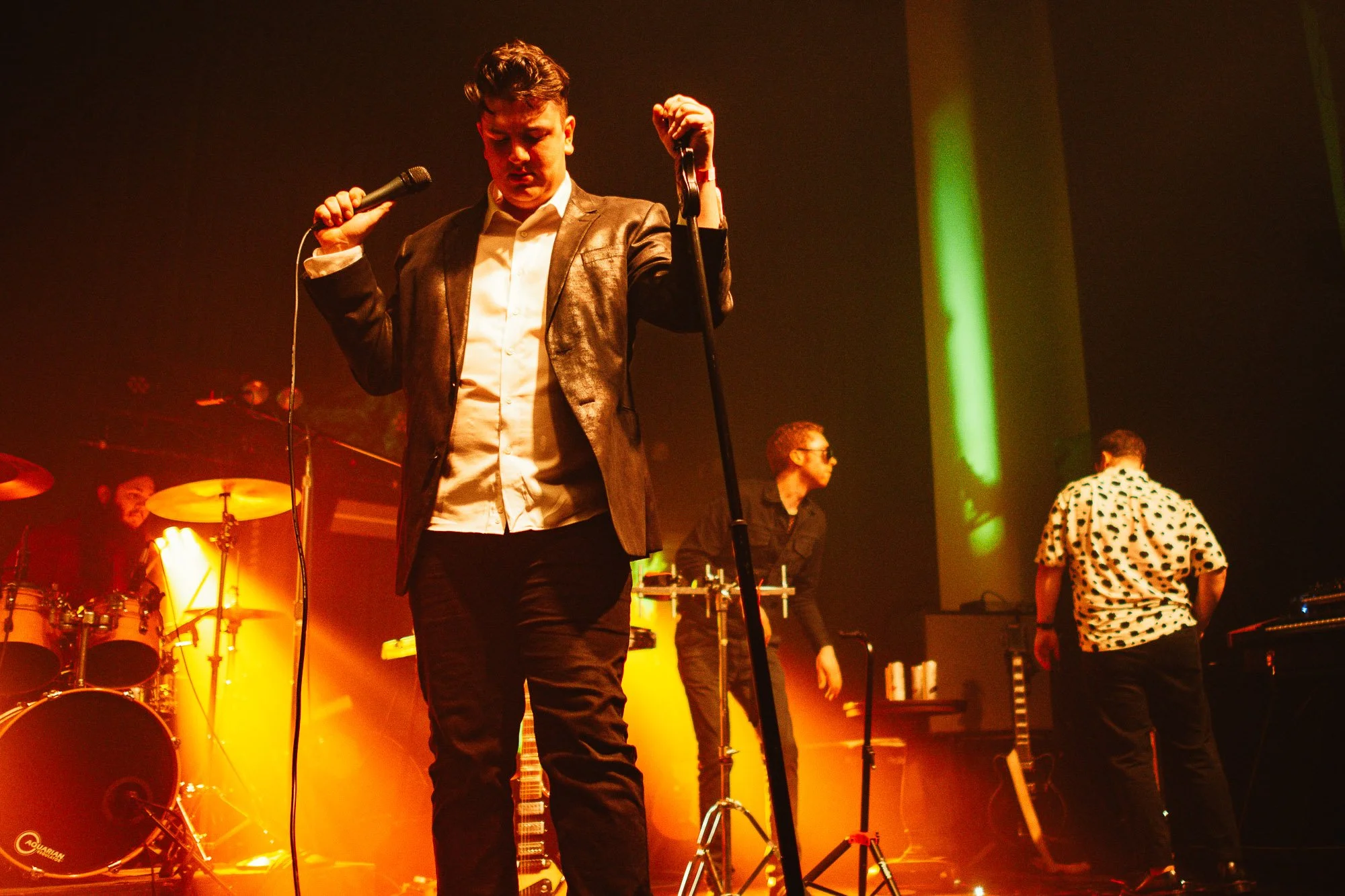
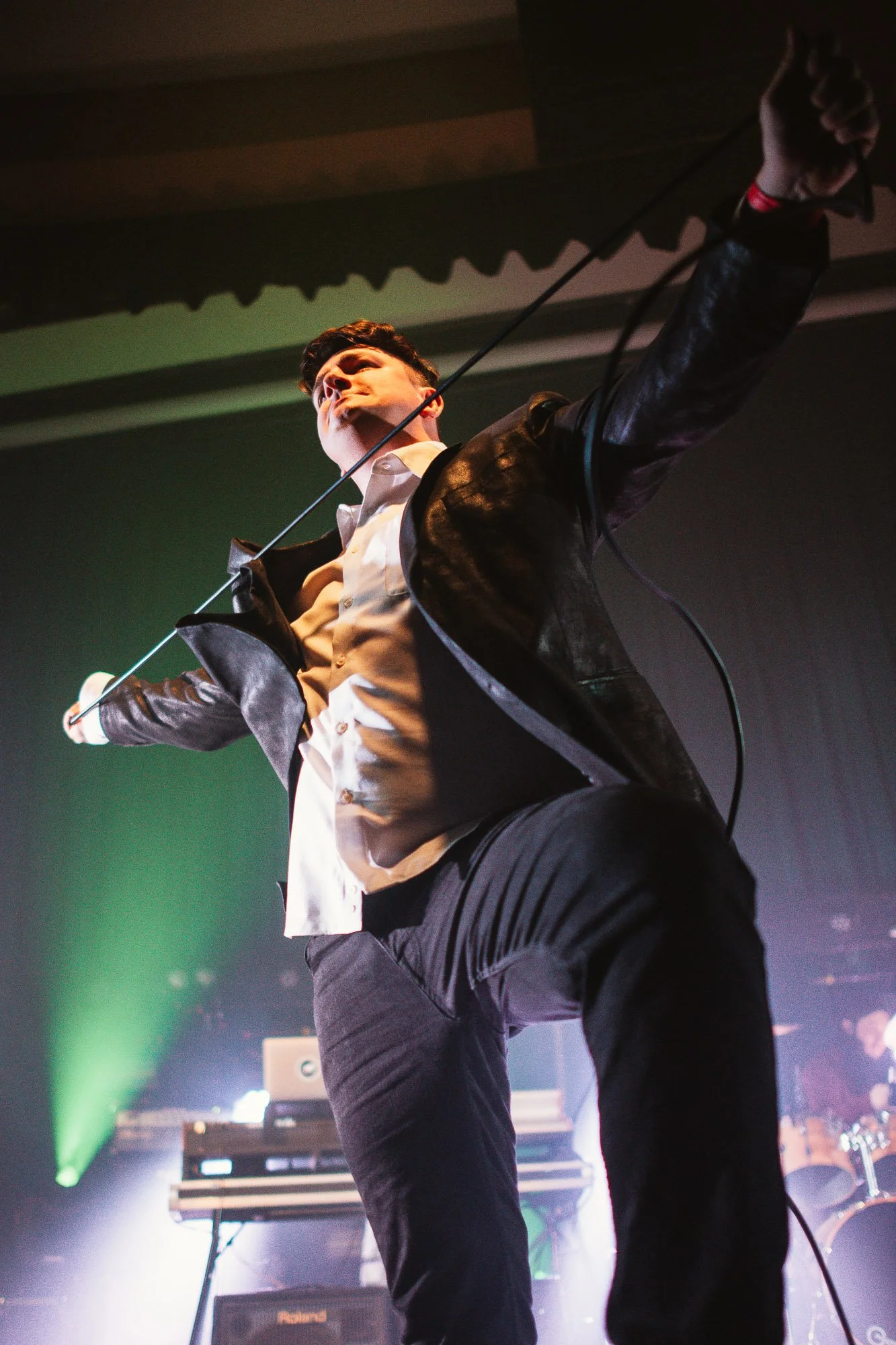
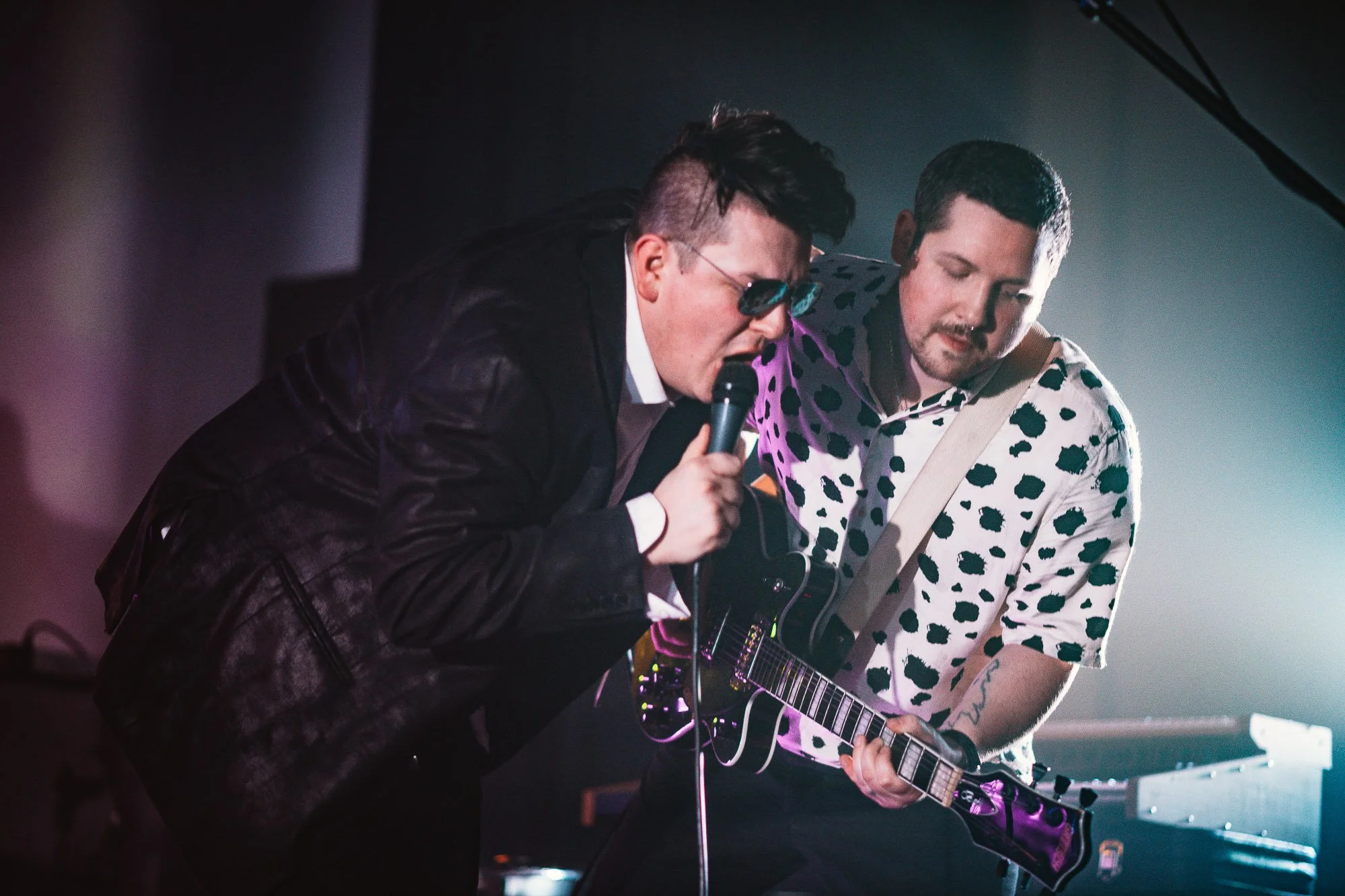
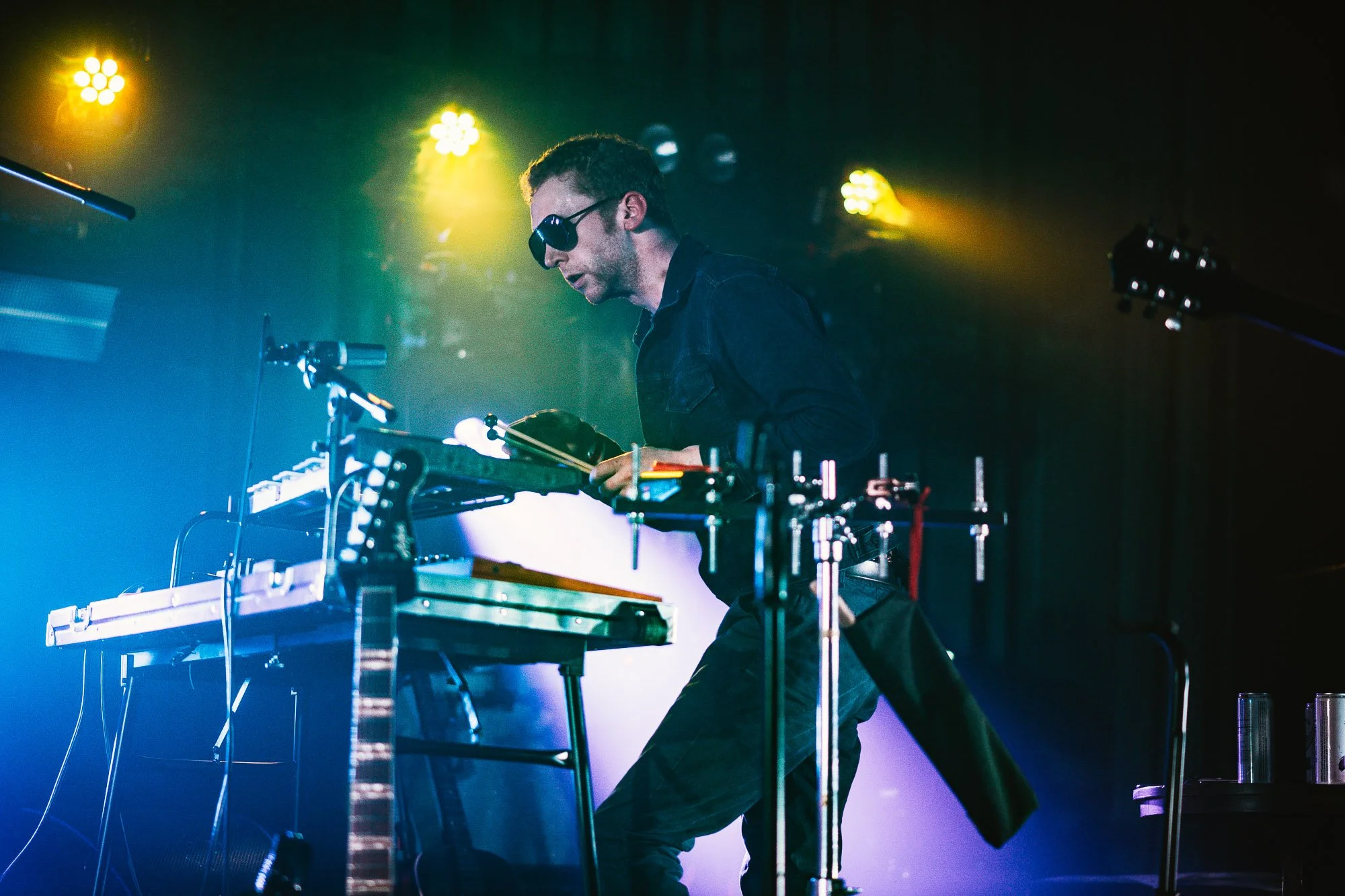
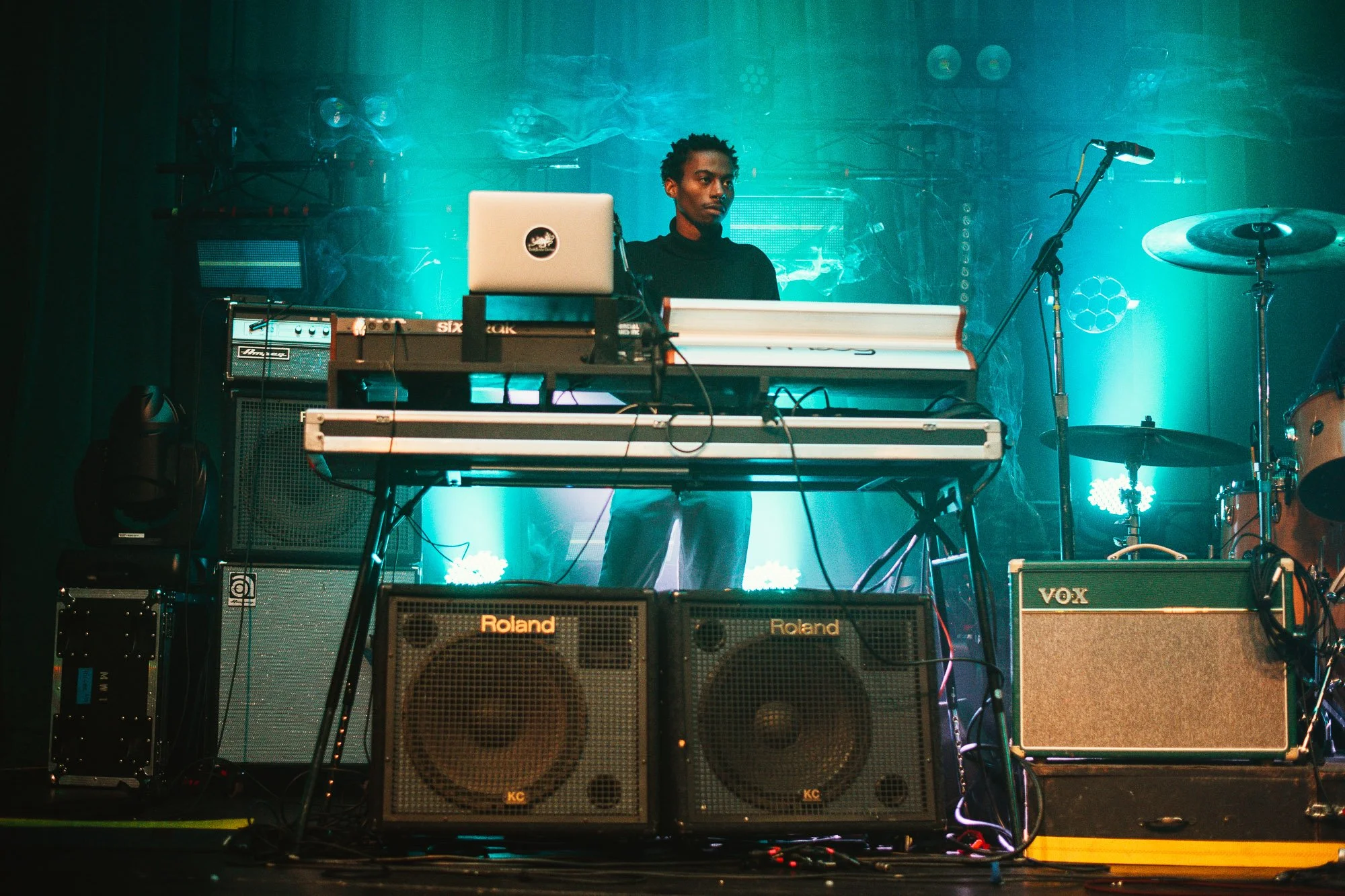
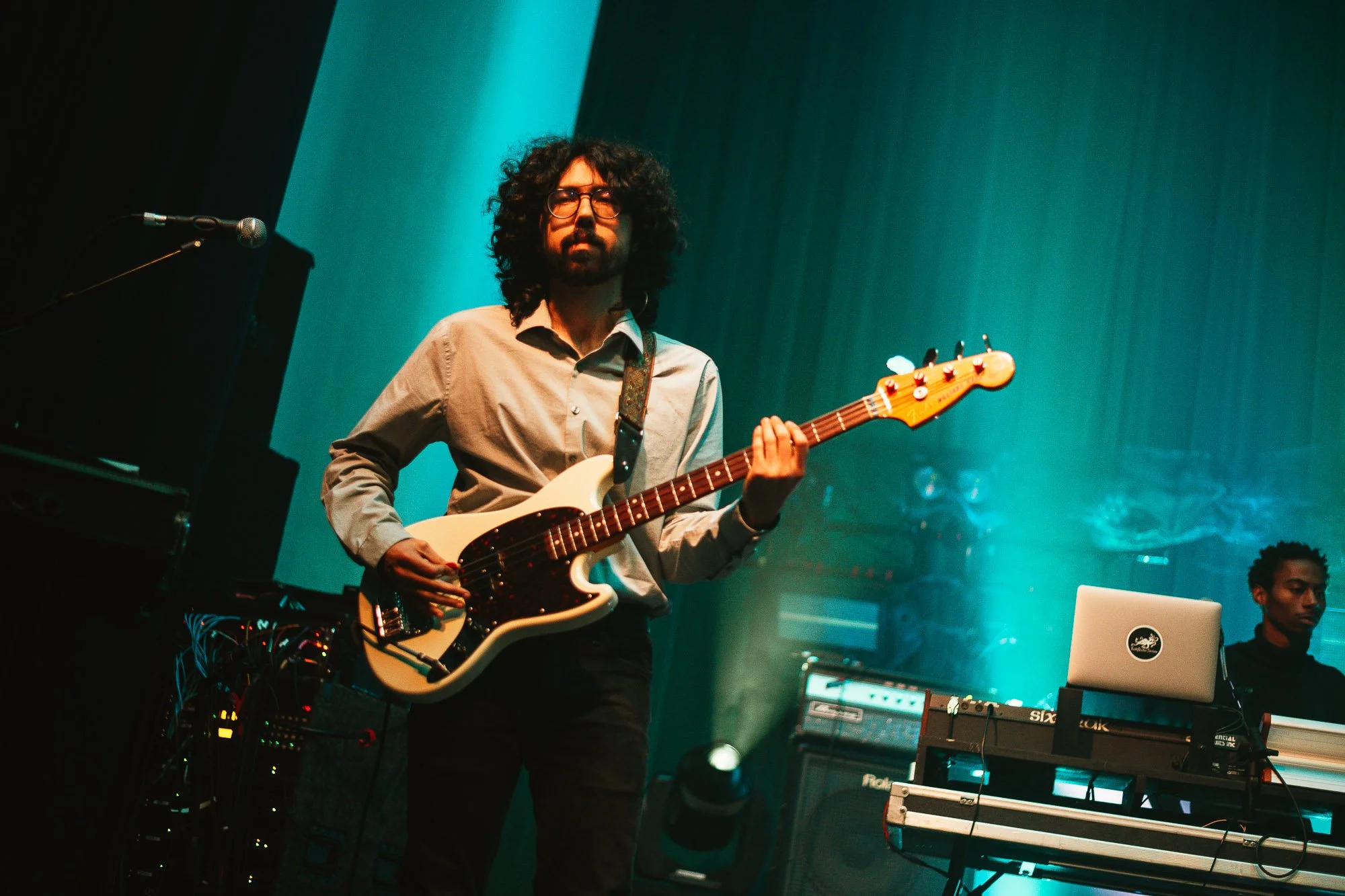
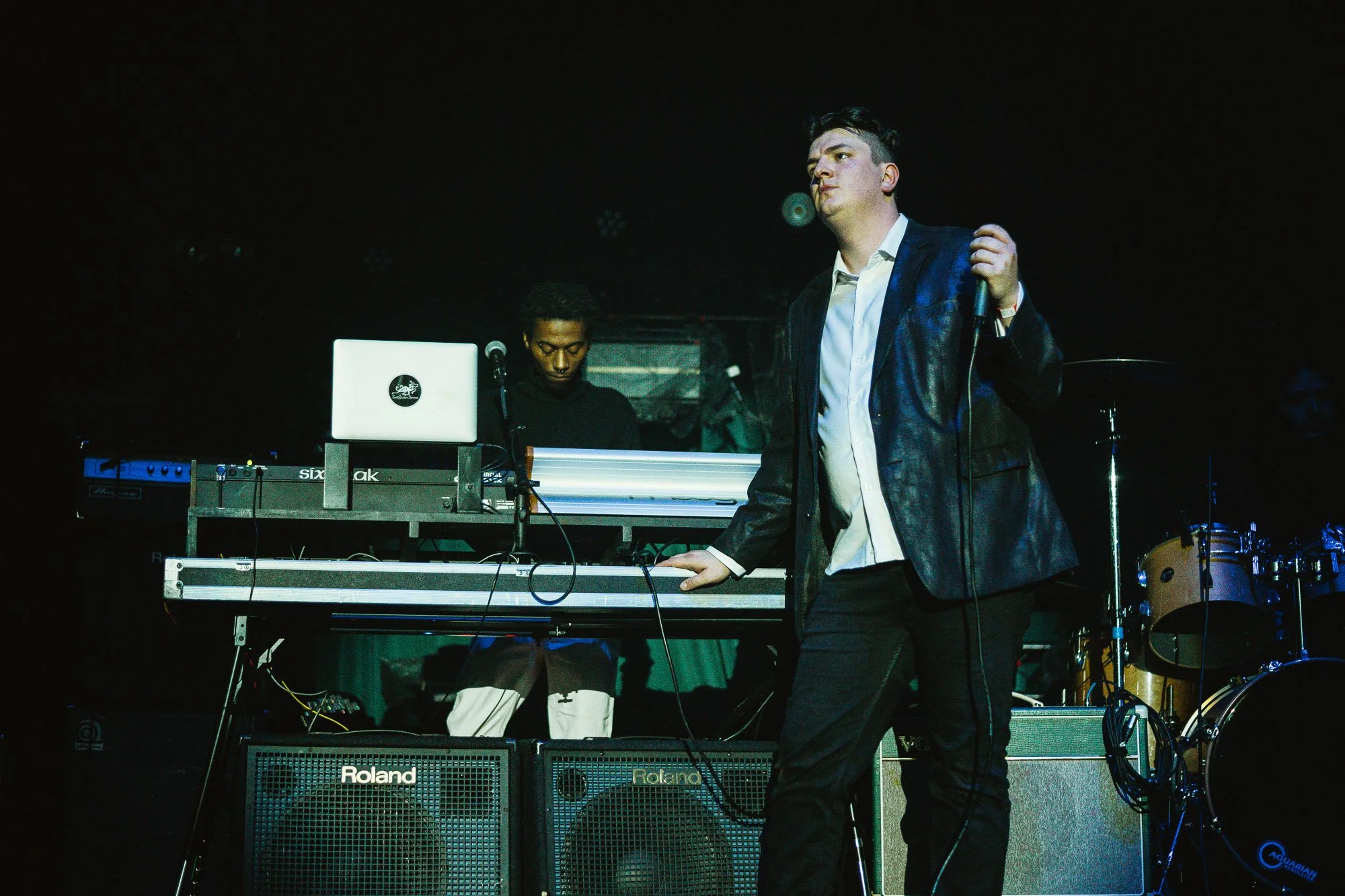
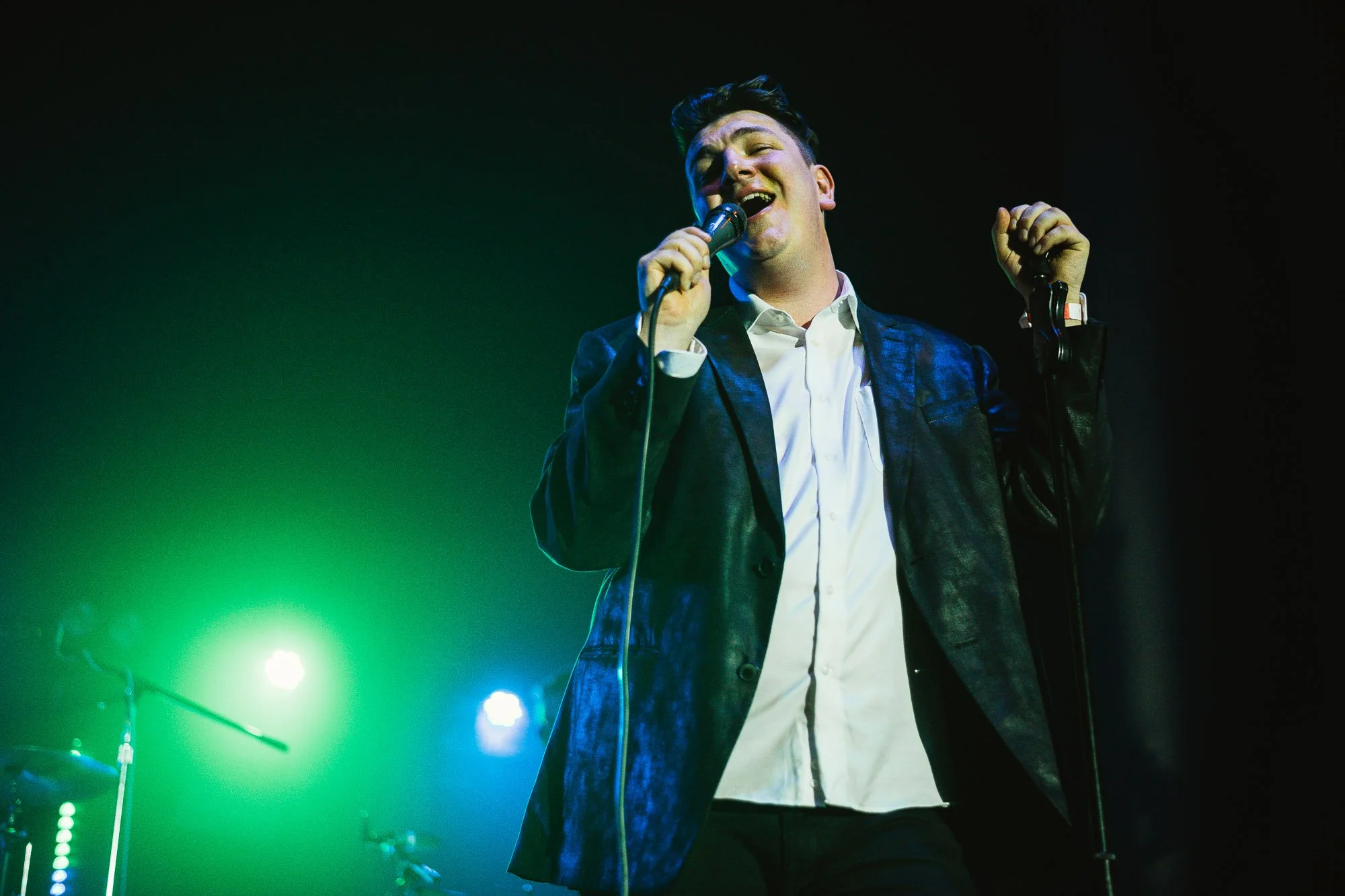
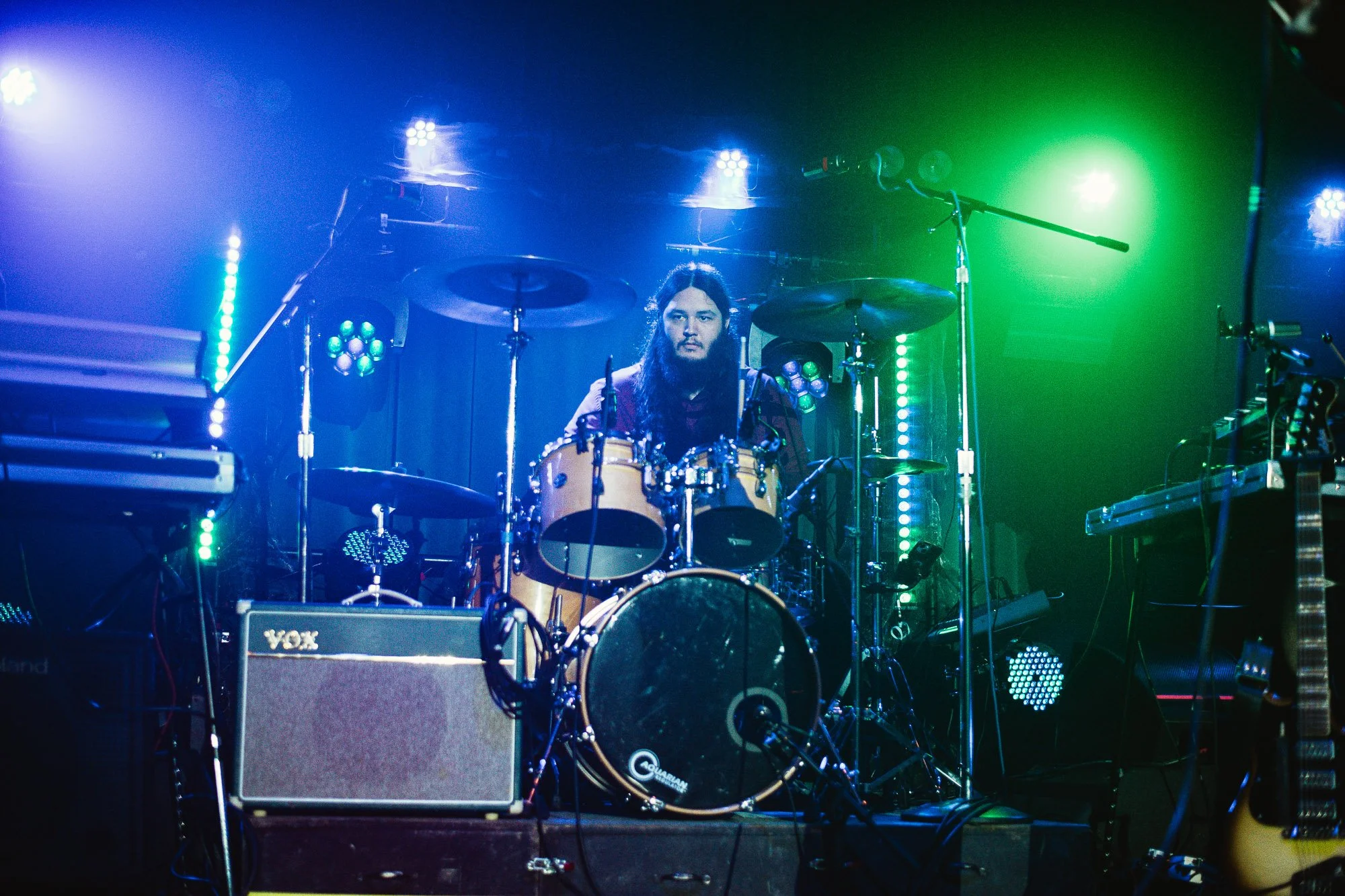
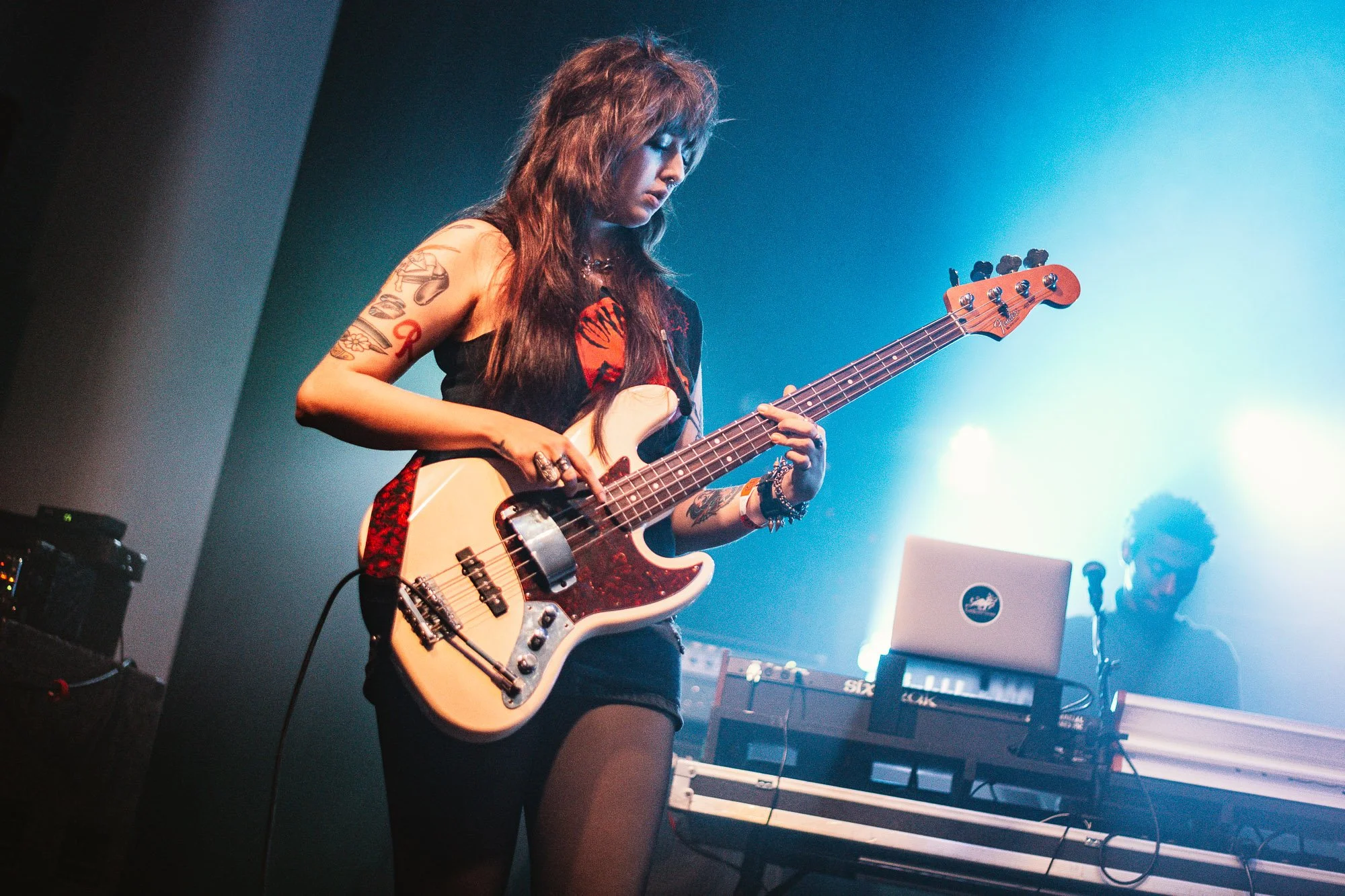
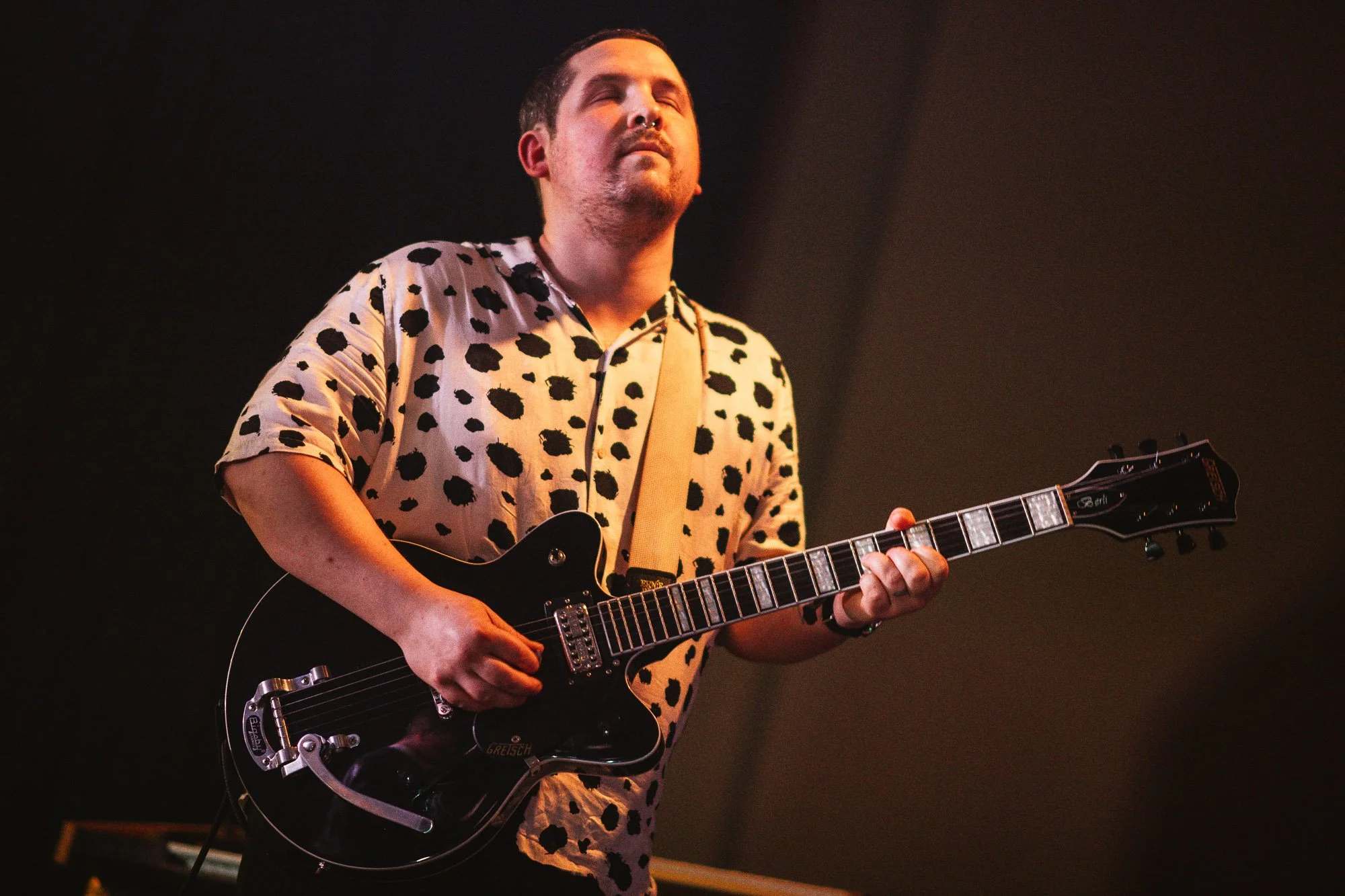
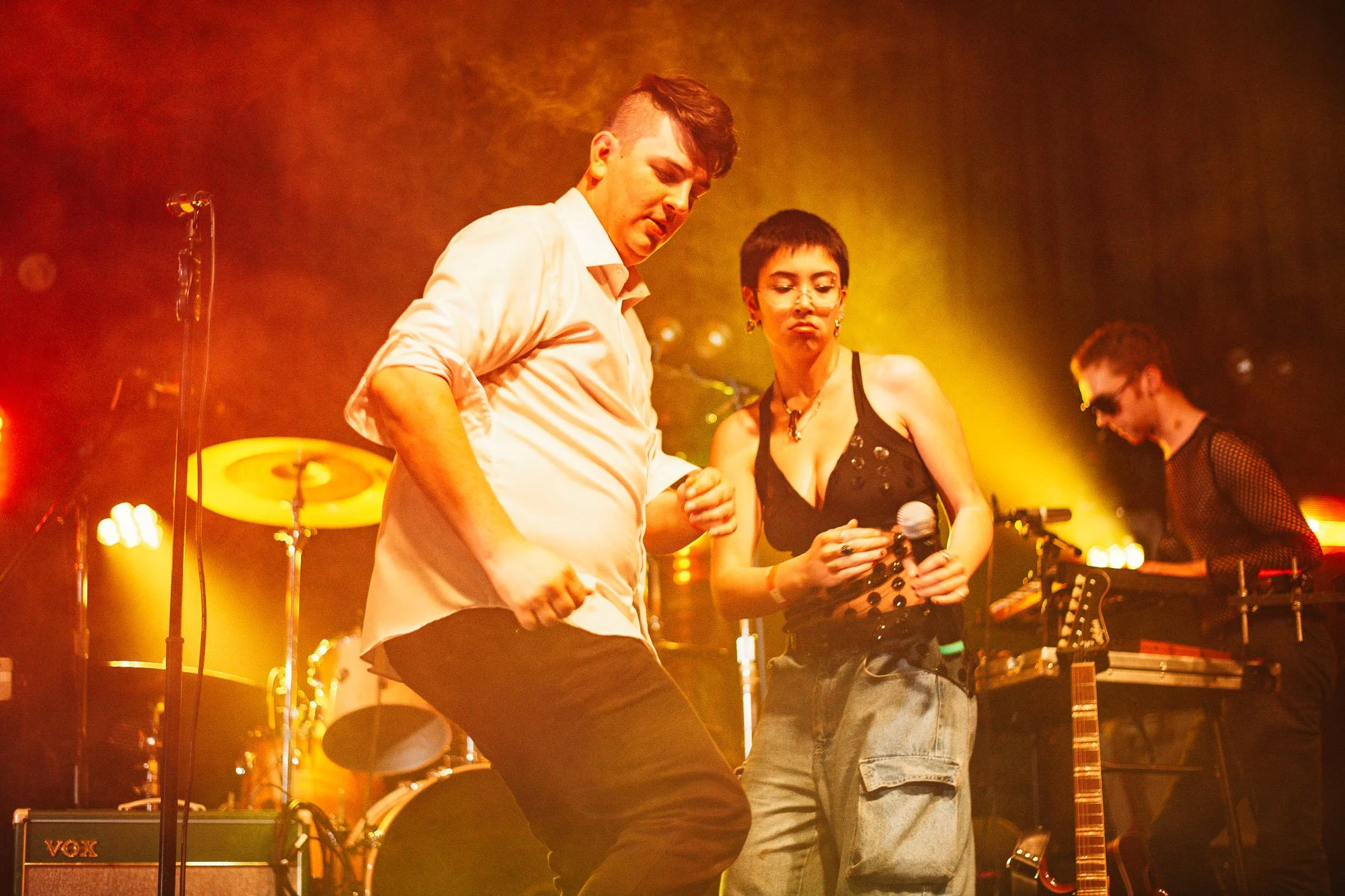
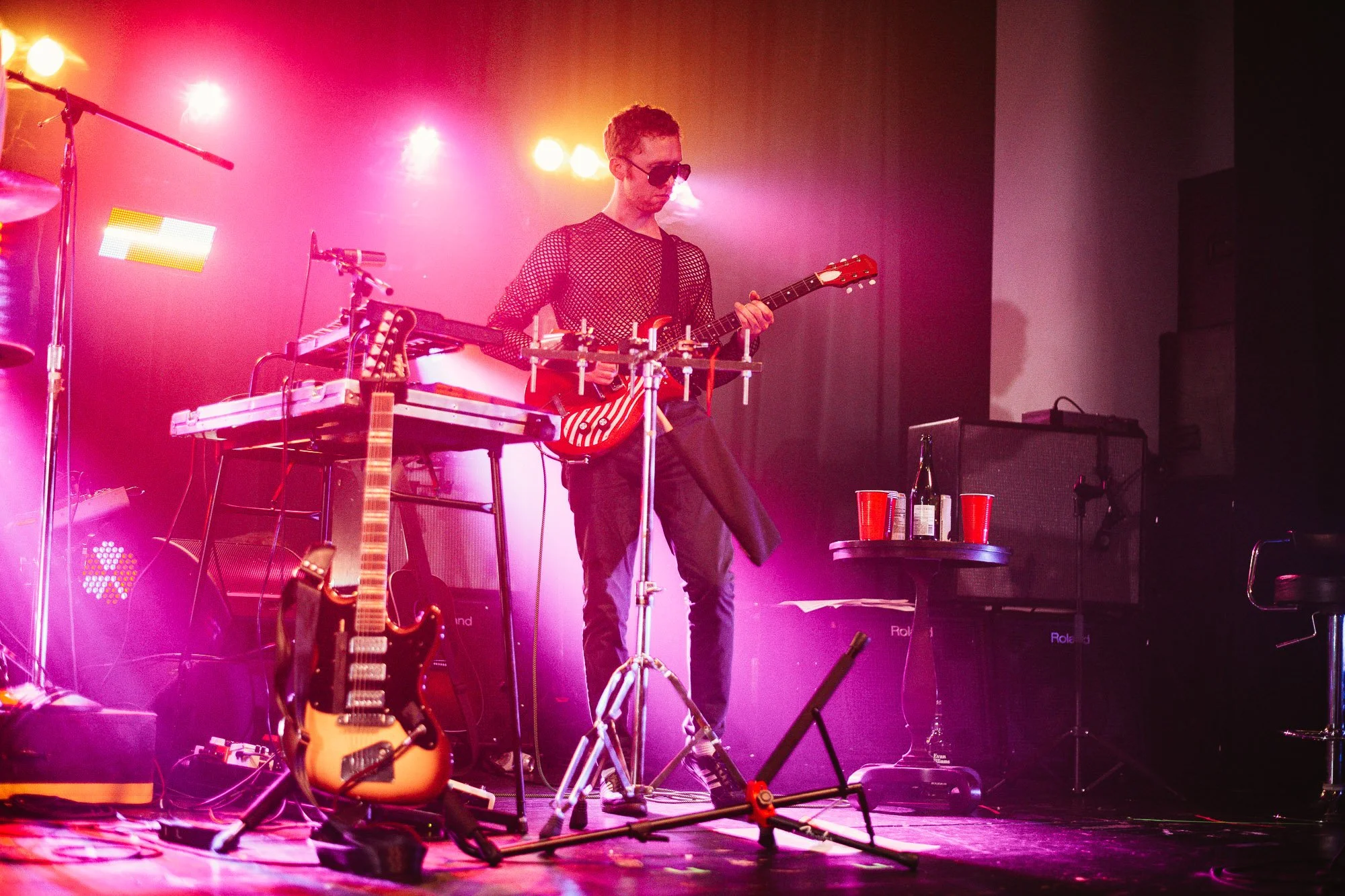
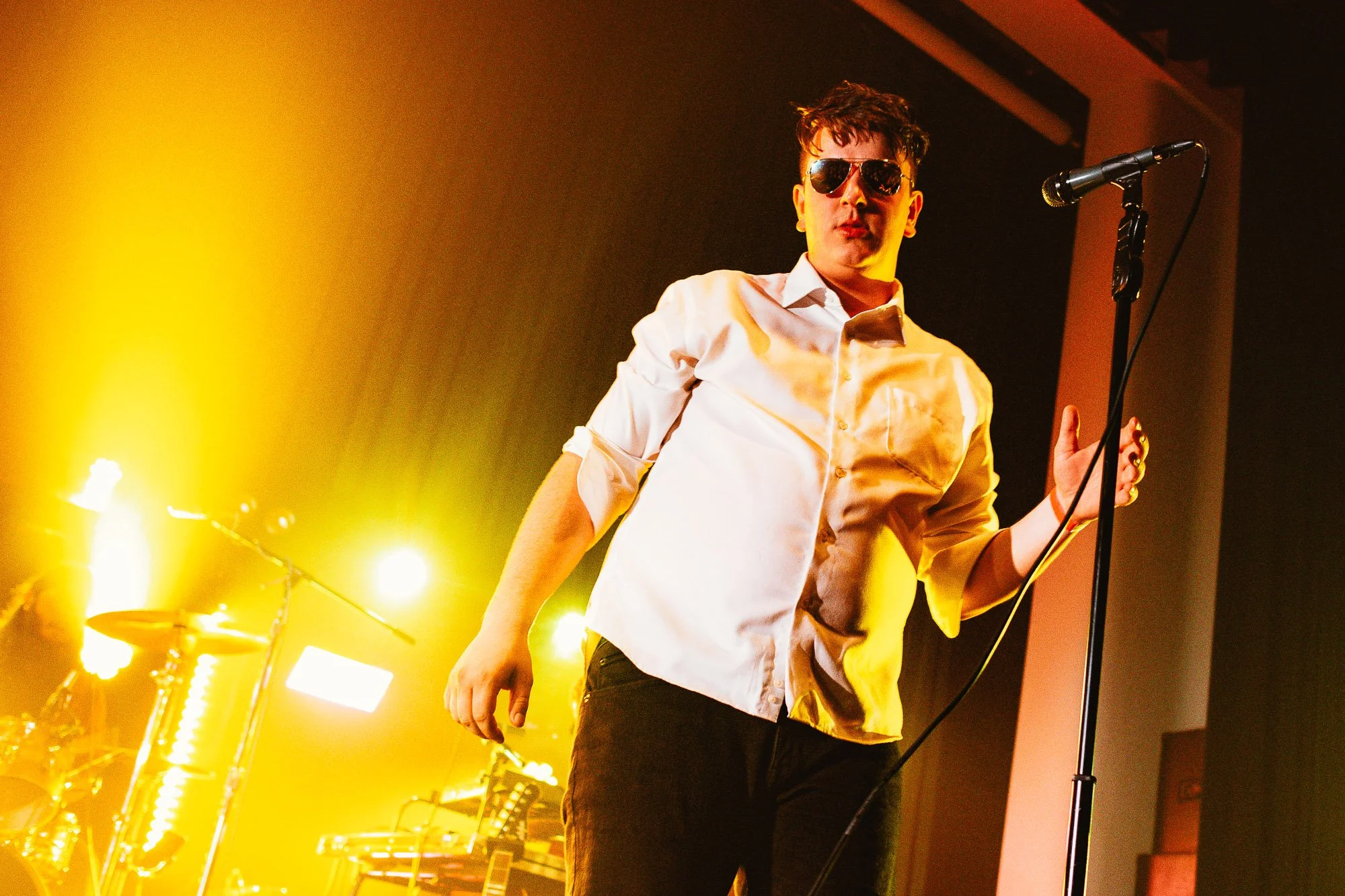
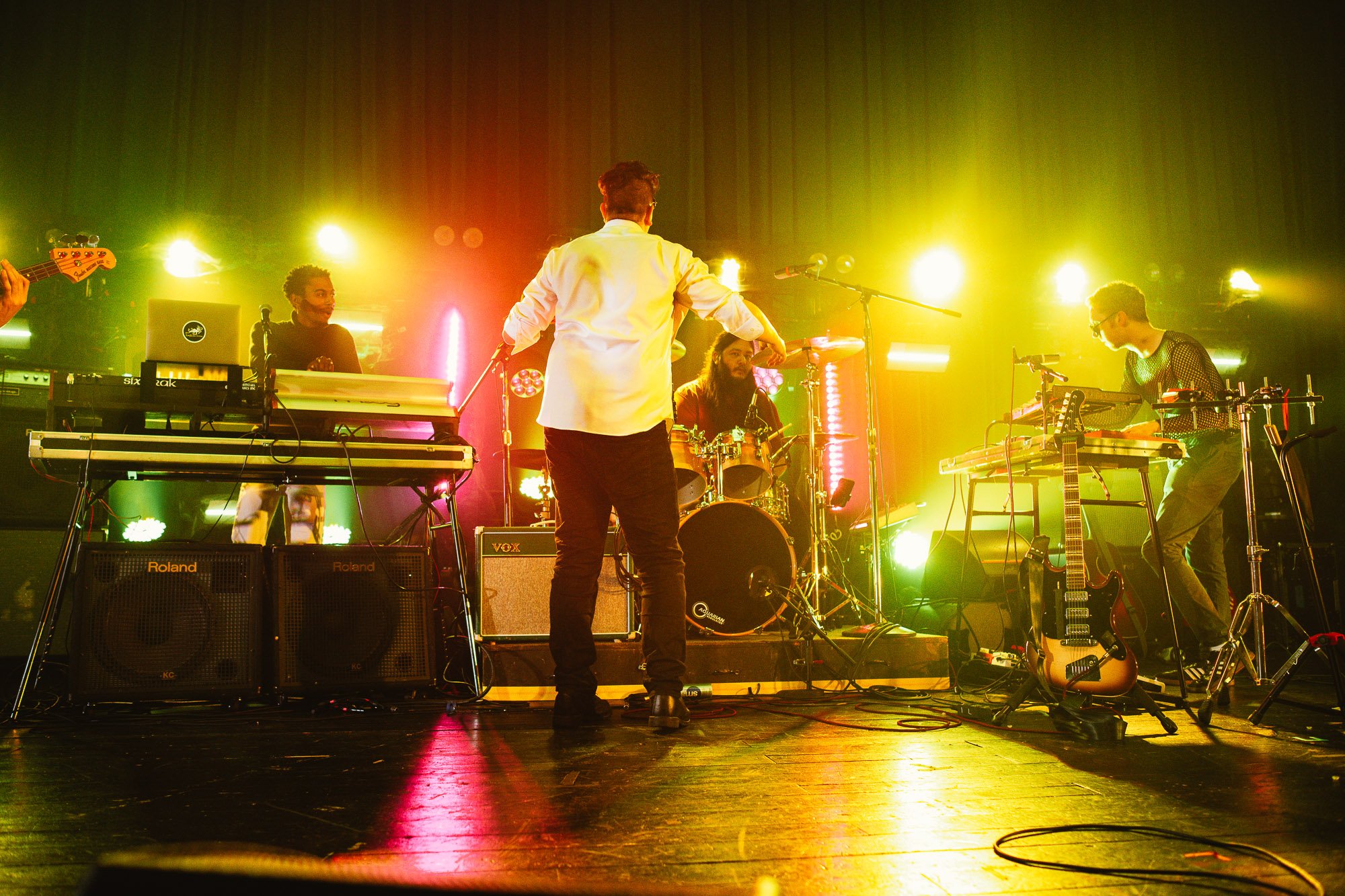
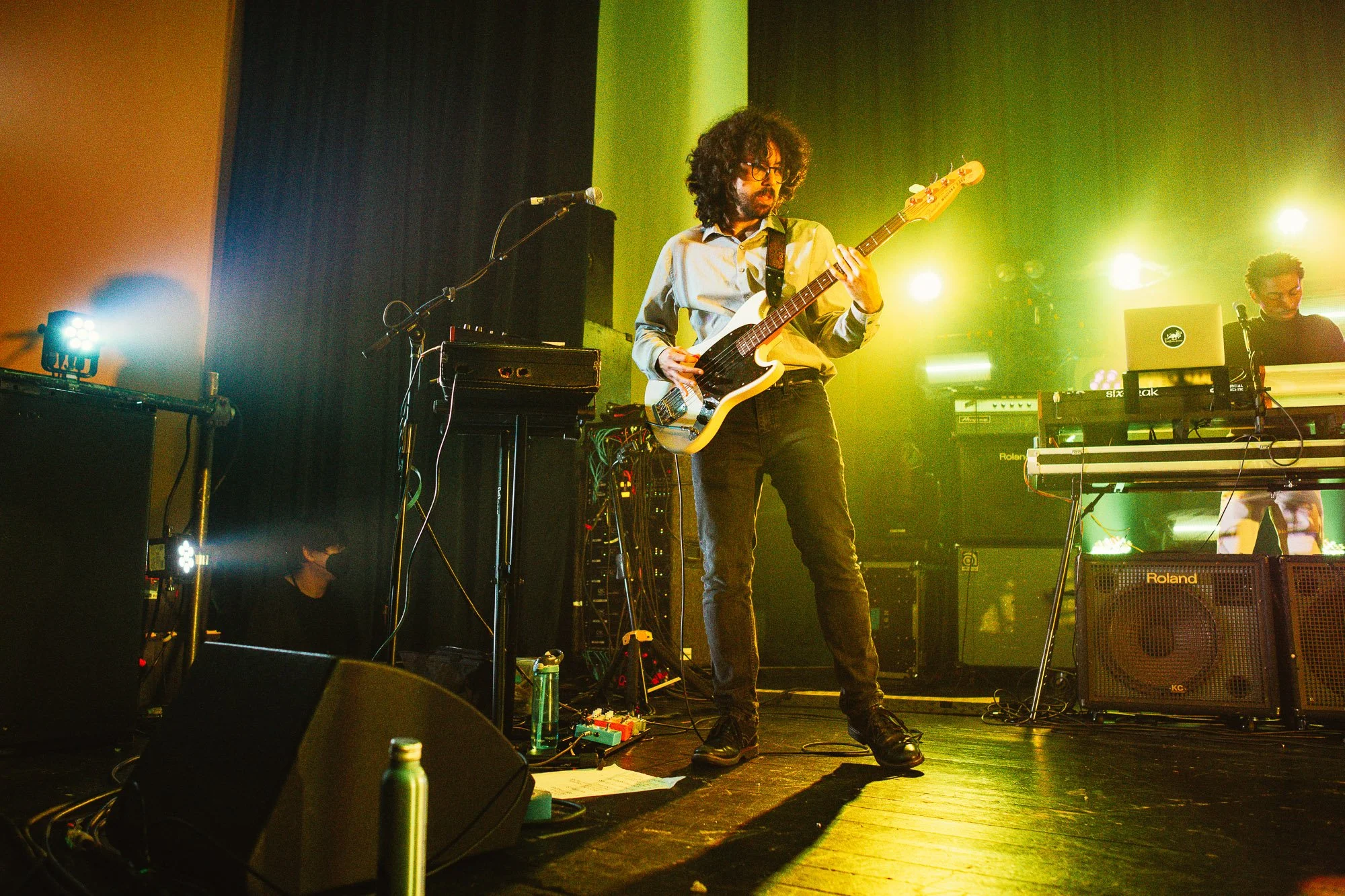
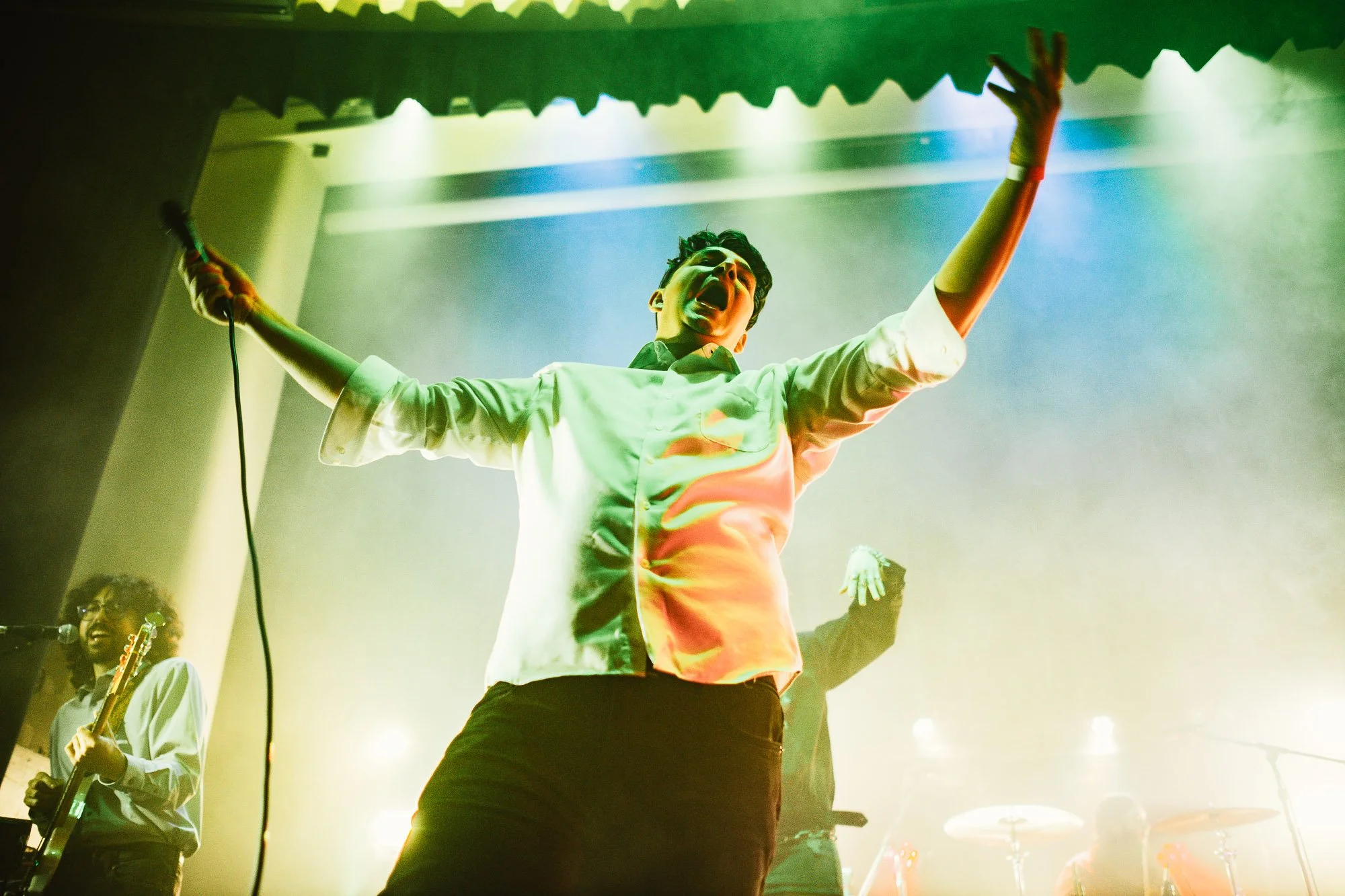
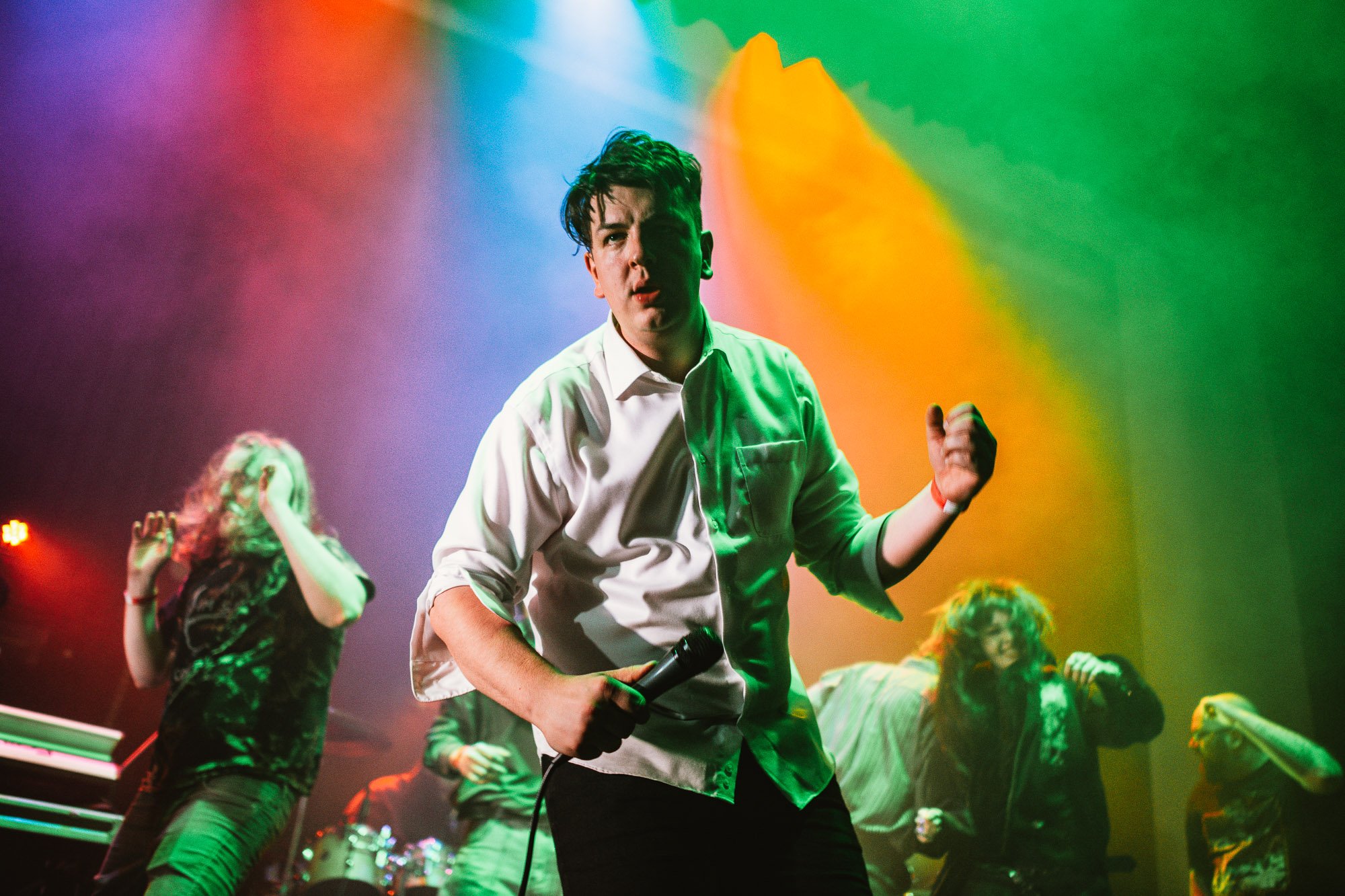
By the time Russian Blue took the stage, the room felt fully open, and I realized I was too. They played recently released A Modern Analogue in full as part of a nineteen-song set, and every member carried themselves with the kind of swagger that comes from knowing exactly what their crowd needs. I’d already spent time with the record before this night, enough for it to feel slightly familiar rather than brand new, but hearing those songs live really made everything click. The set moved easily between moments of tension and release, taking introspective moments and expanding them into something louder and more physical. The crowd stayed locked in as they worked in special guests, older material, and a sharp Blondie cover with Hot Stepmom. The performance made it clear how comfortable they were pushing and pulling the night exactly where they wanted it. To put it plainly, this was a group of cool kids doing cool shit.
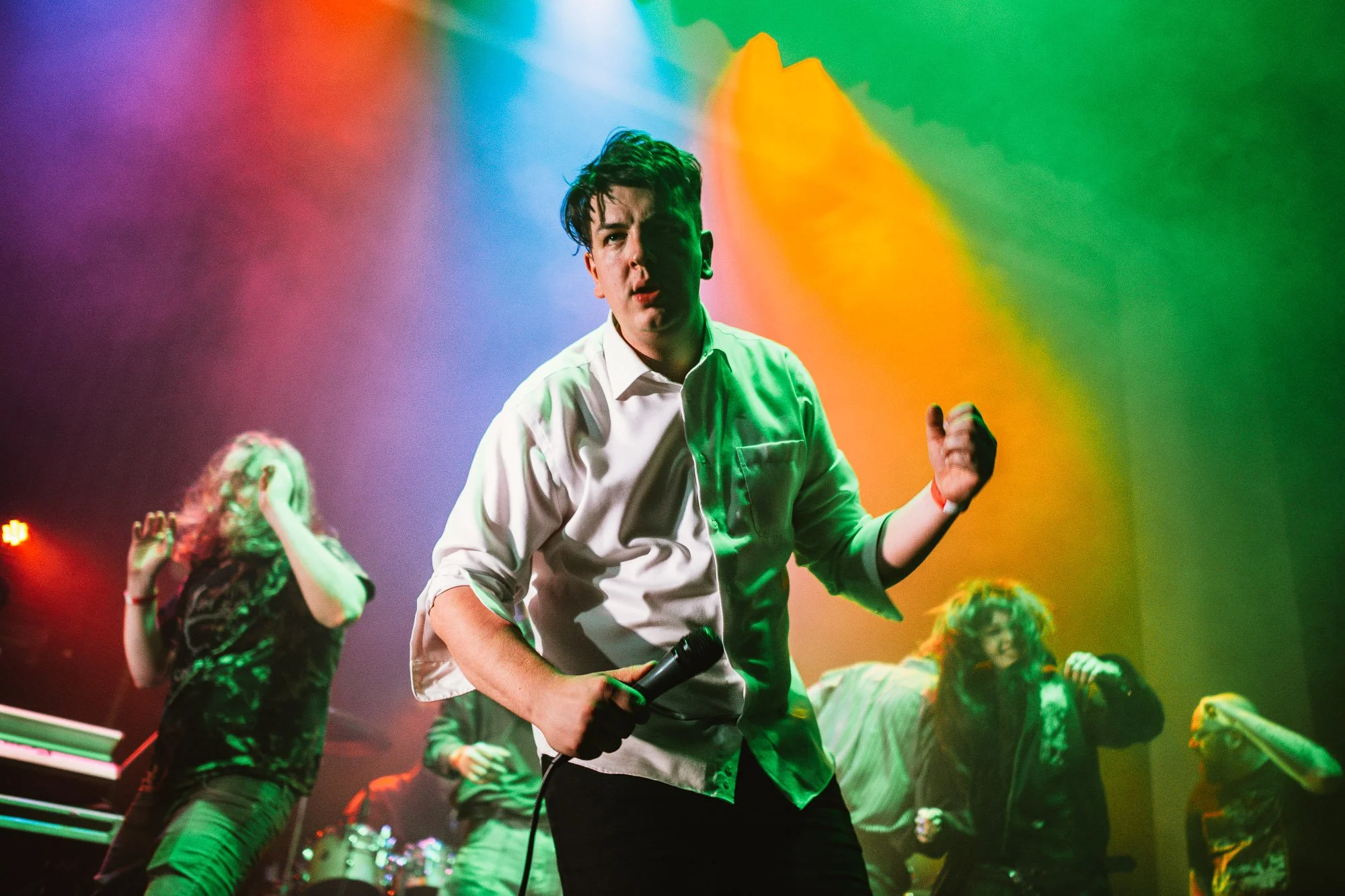
By the end of the night, I didn’t feel transformed, but I did feel better. My batteries were recharged, some of those harder edges had softened, and the weight I’d walked in with felt more evenly distributed. Live music can’t fix everything, and I don’t expect it to. Nights like this offer a necessary balm — something loud, communal, and momentary that keeps those negative thoughts from calcifying. I left the venue the same person in most respects, just a better version than when I arrived, and that alone feels like reason enough to keep showing up.

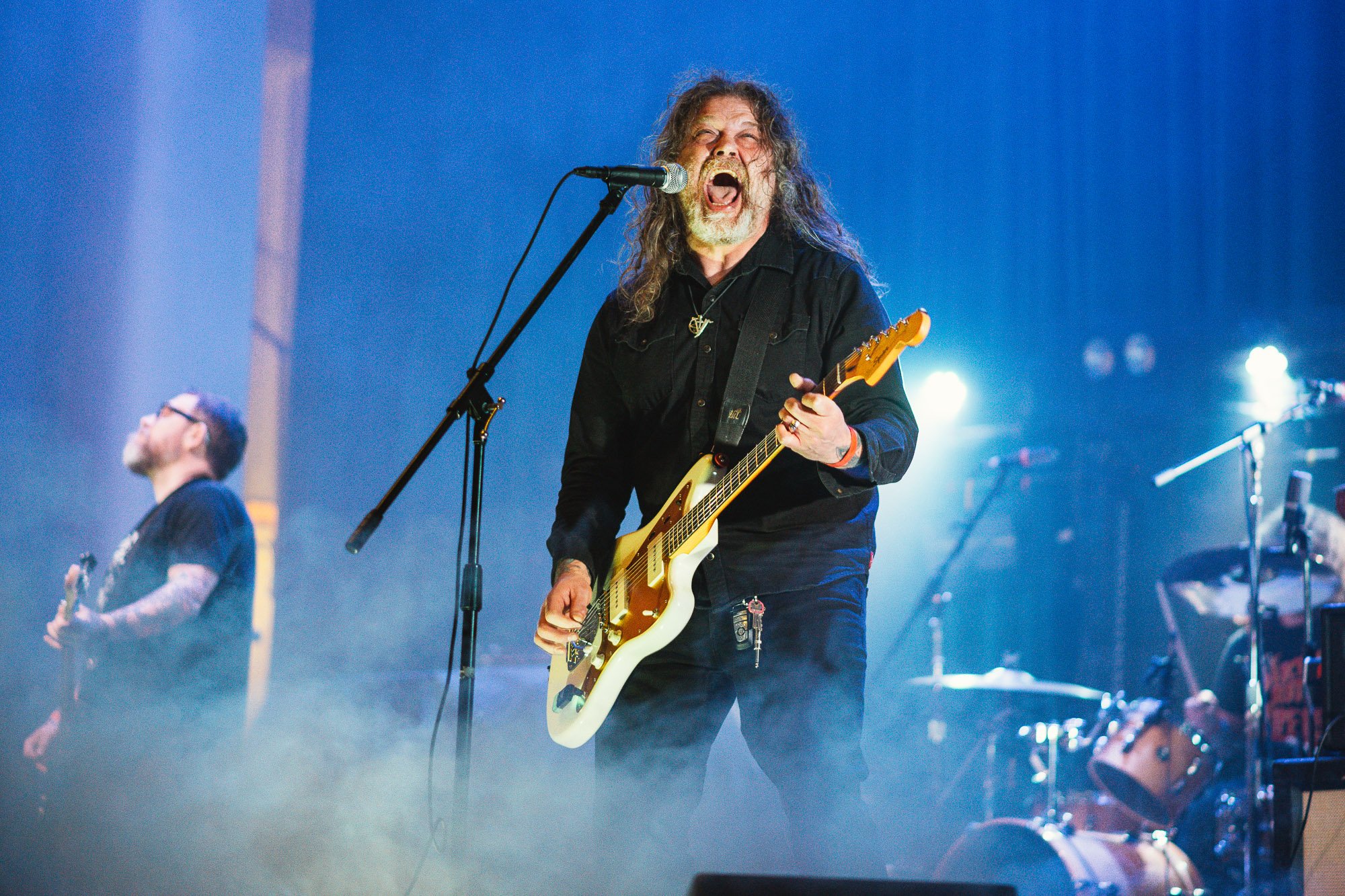


Photos and review by Andy Perkovich for ilikeloudmusic.com, an Auburn-based music photography and concert review site covering live music across the Pacific Northwest.